






Cliff Coat Sewing Pattern / PDF (A4, A3, A0, US Letter) - Frames, Layers by Size, Video Projection
💻 Spécificités du format PDF
Nos patrons couture PDF sont proposés aux formats A4, A3, A0 et US Letter..
- Inclut des cadres pour faciliter les repérages.
- Système de calques pour imprimer uniquement votre taille.
- Option de vidéoprojection intégrée pour une découpe directement sans papier !
🧵 Comprehensive tutorials
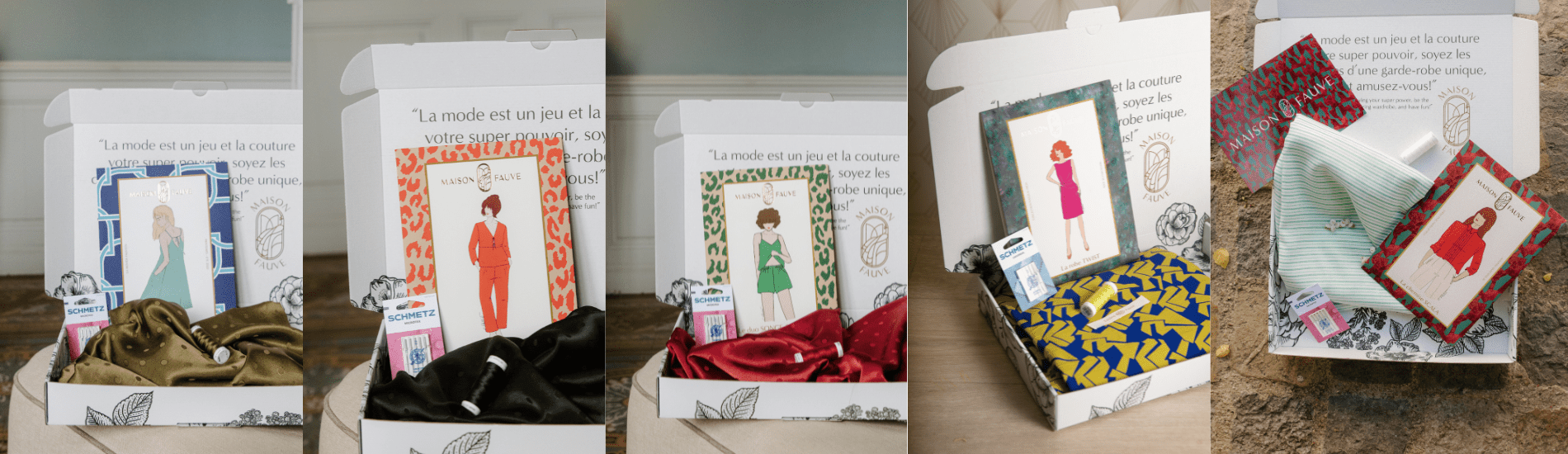
📦 Parcel carefully prepared
🔒 Secure Payment
💳 Pay in 3 or 4 interest-free installments
Available with Alma from €115 purchase.
Description
Model
Our PDF sewing patterns are now all available in A4, A3, A0, and US Letter formats, including frames for easy alignment, layers to help you choose your size, and a video projection option for paperless cutting! To learn more, click here ;)
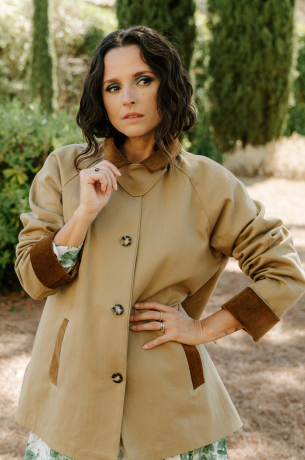
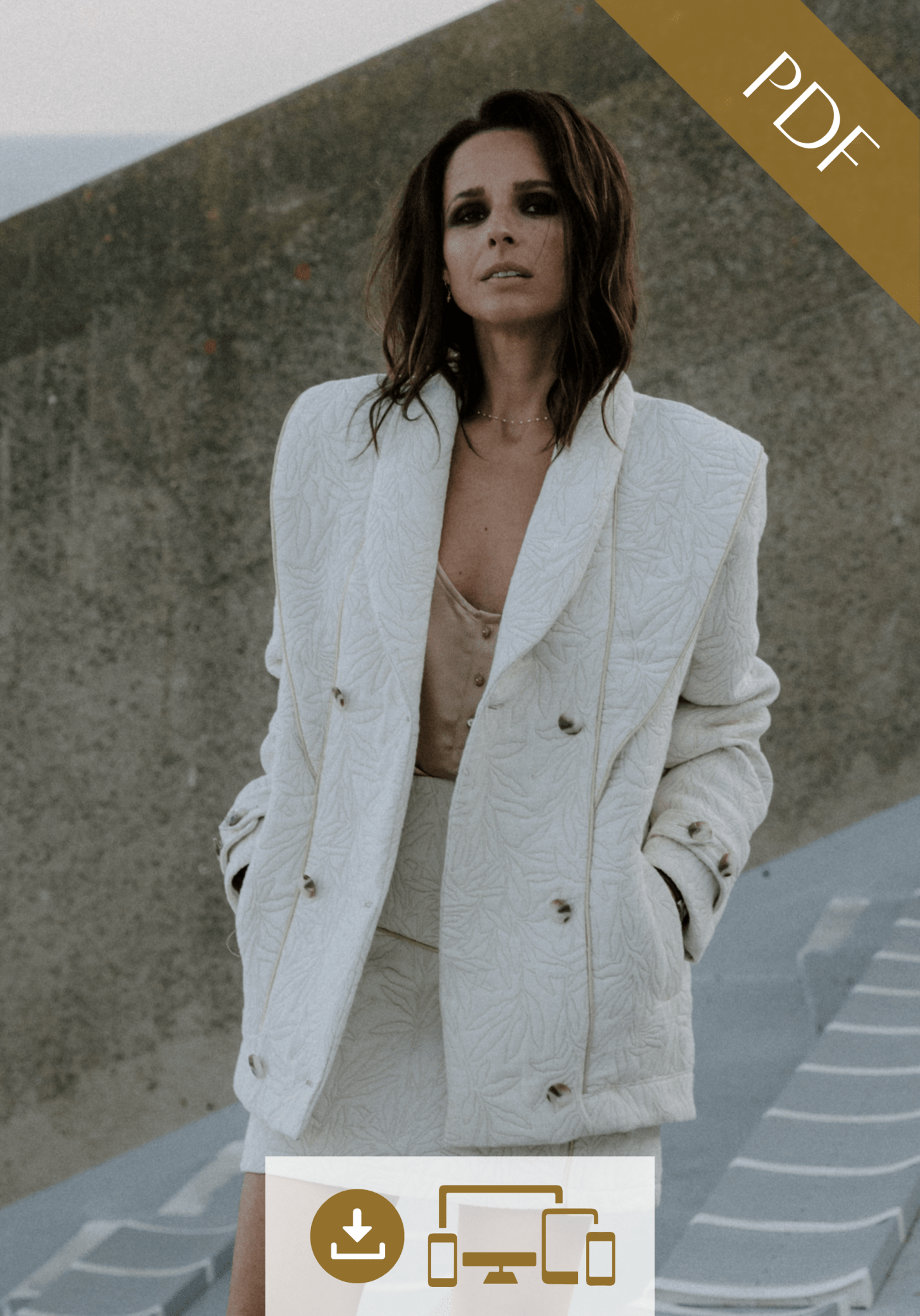
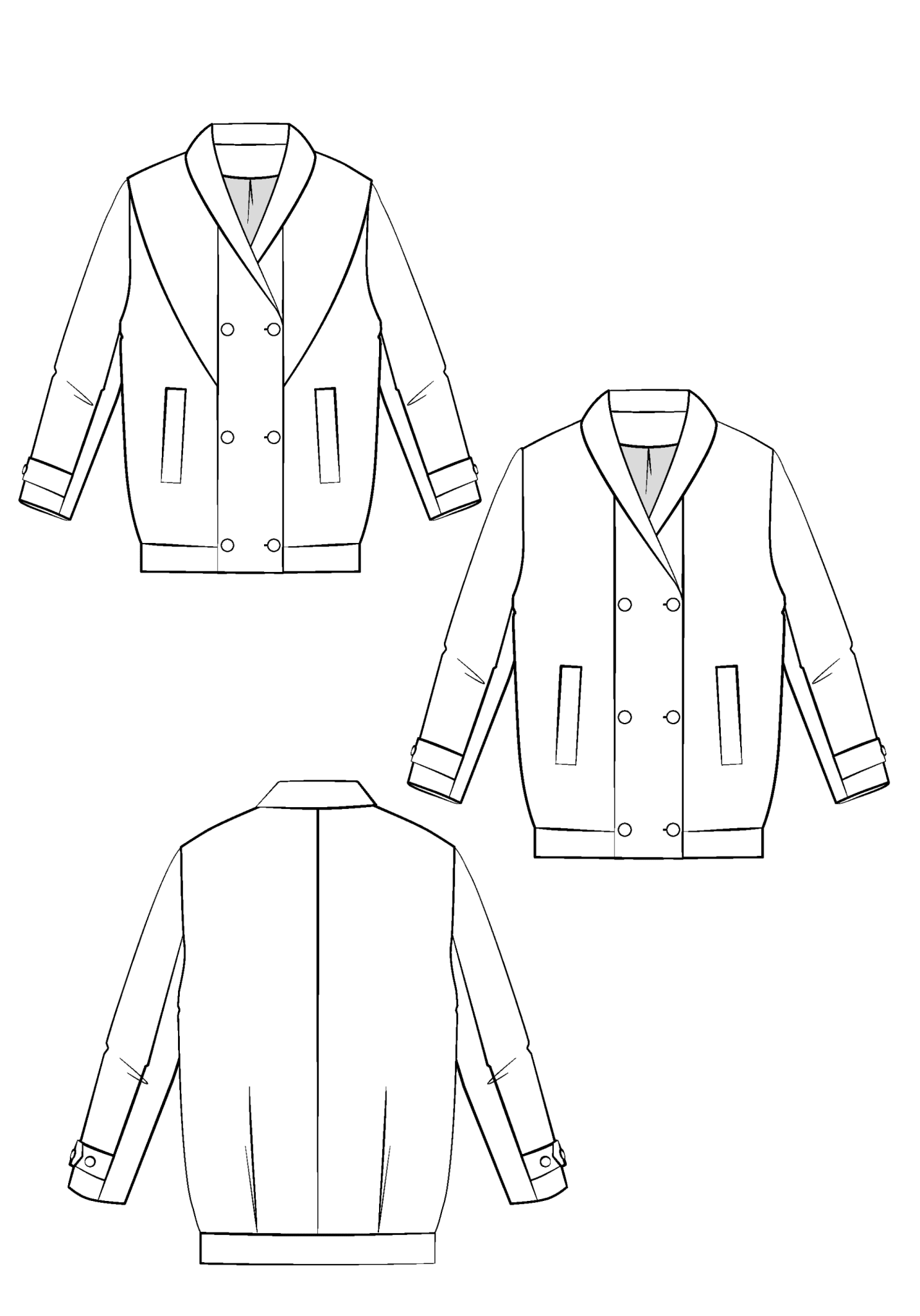
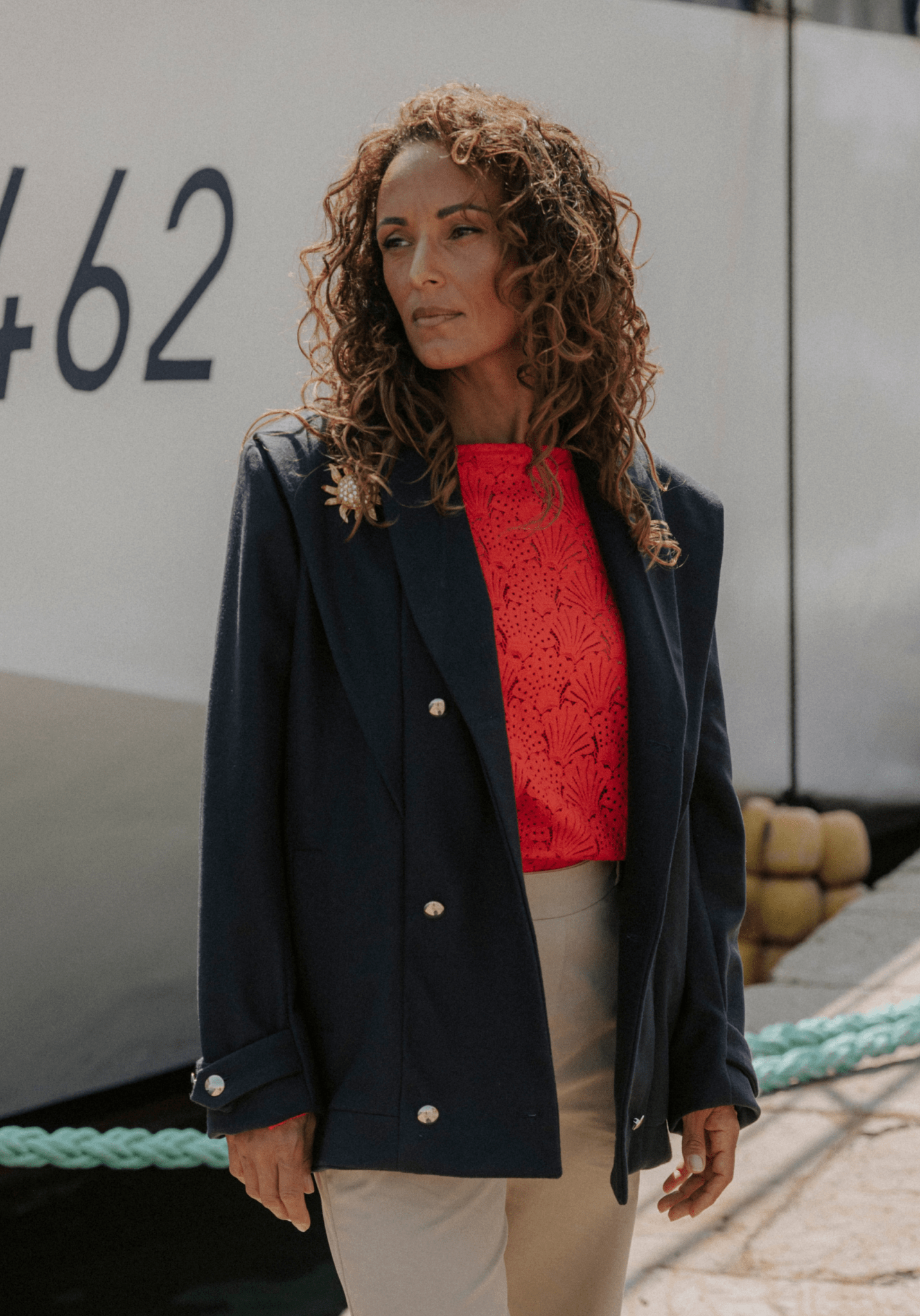
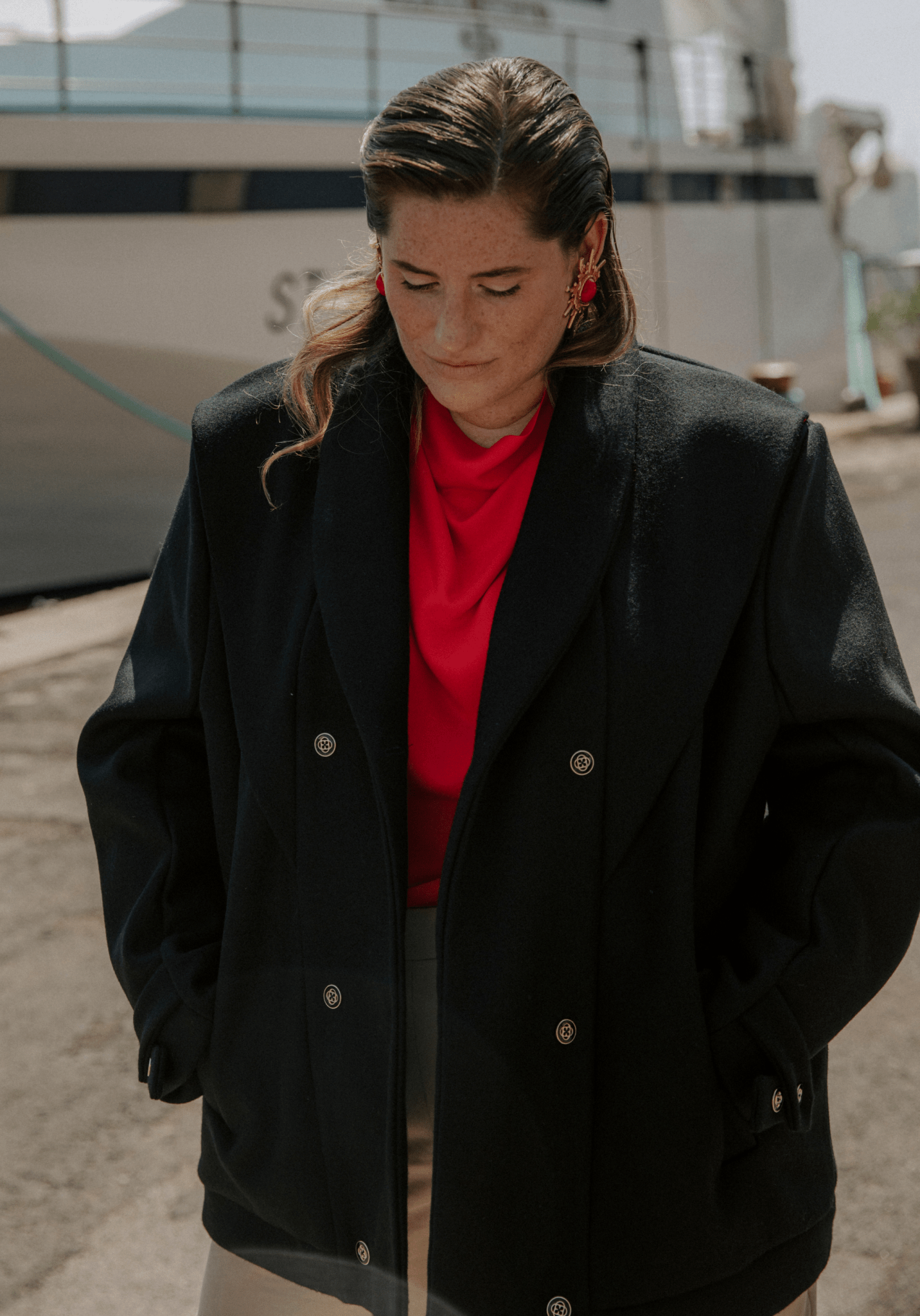
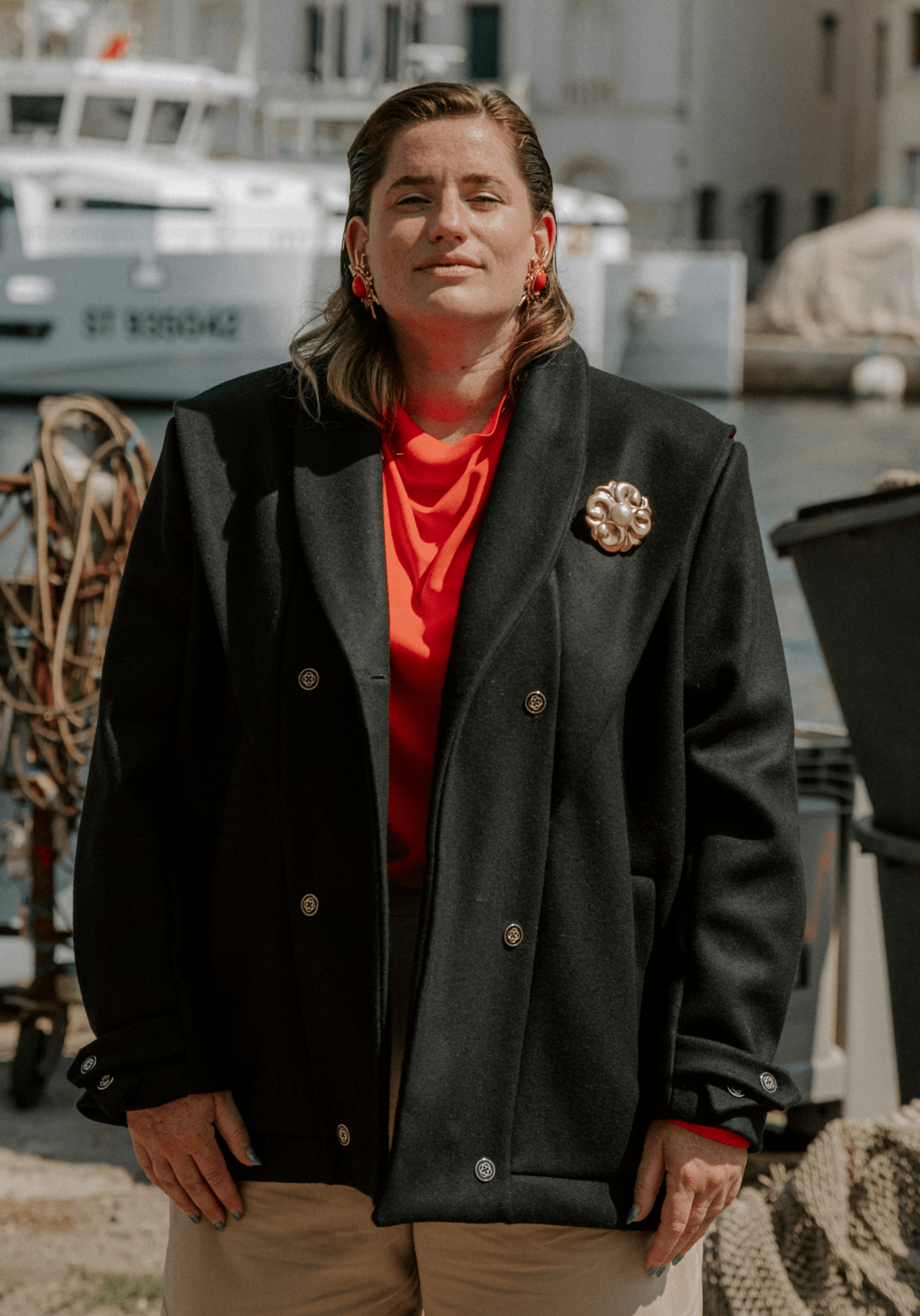
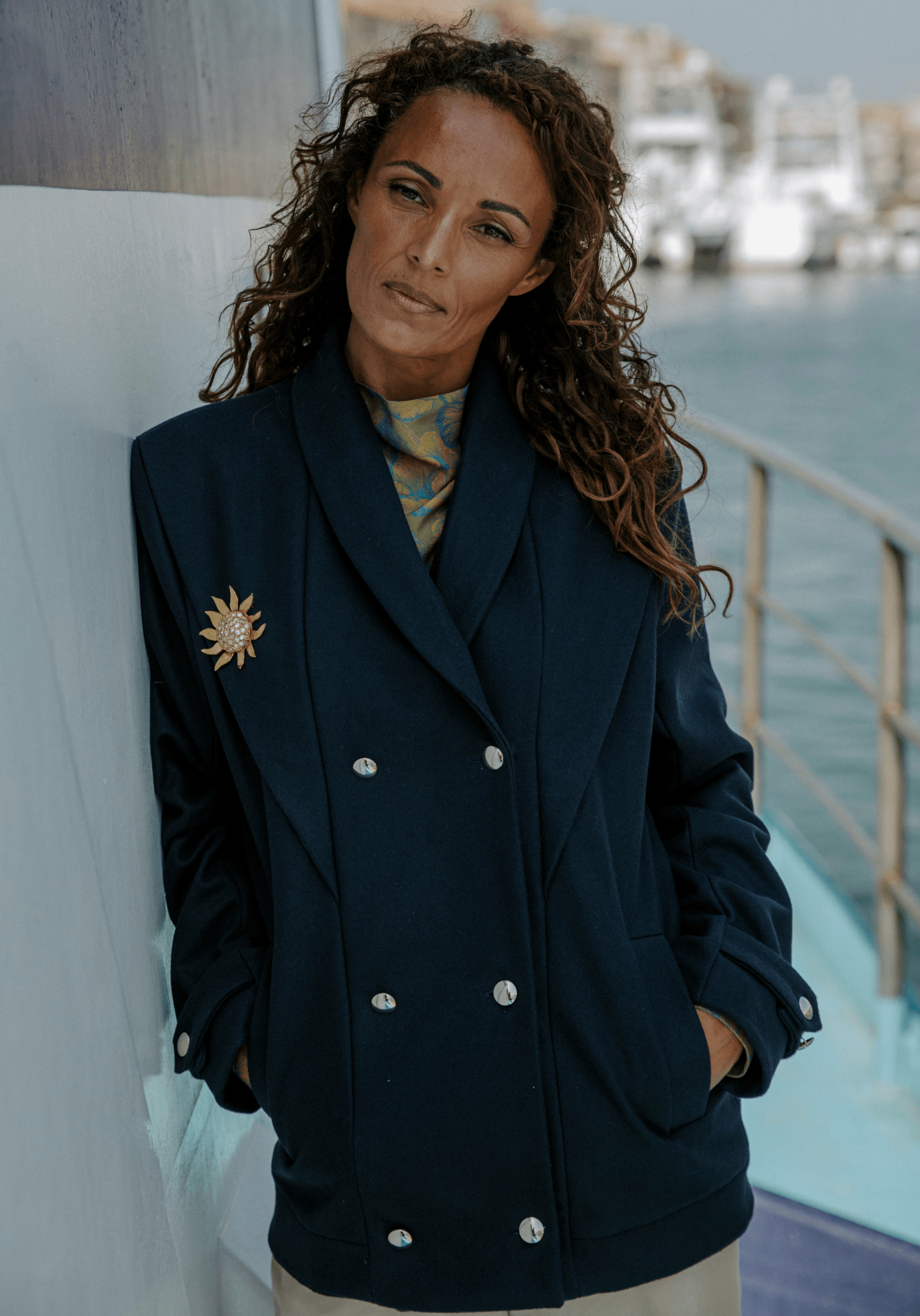
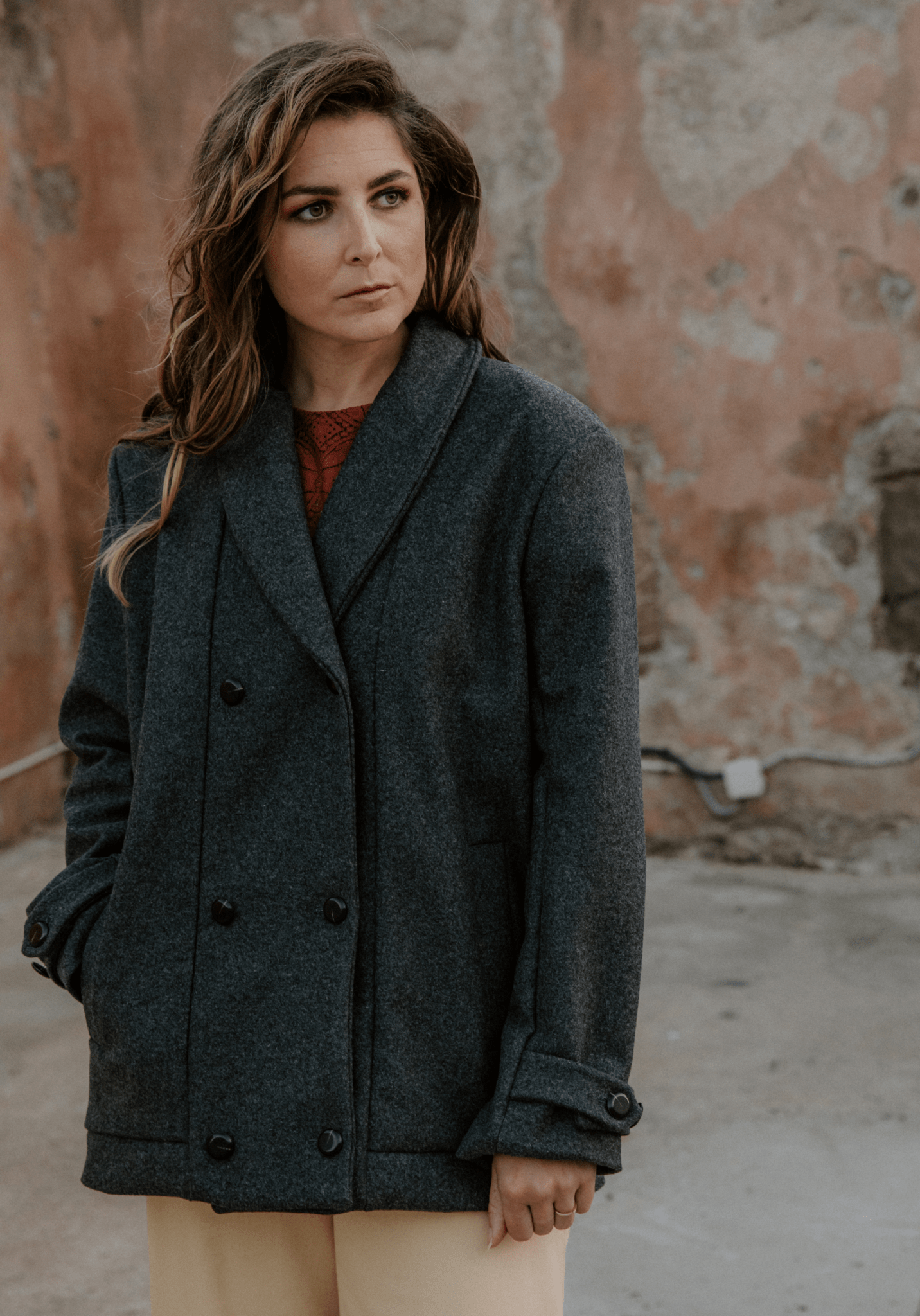
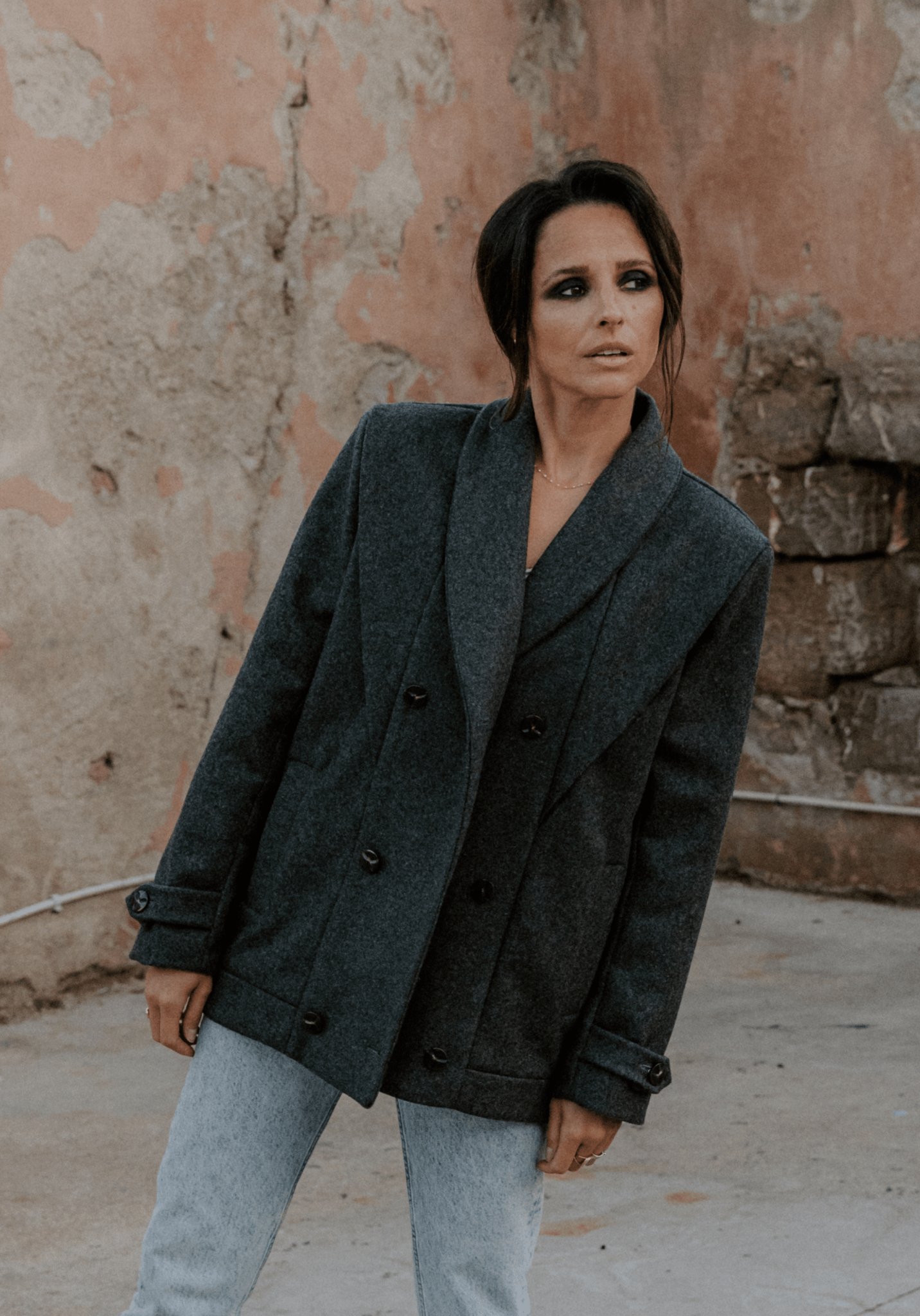
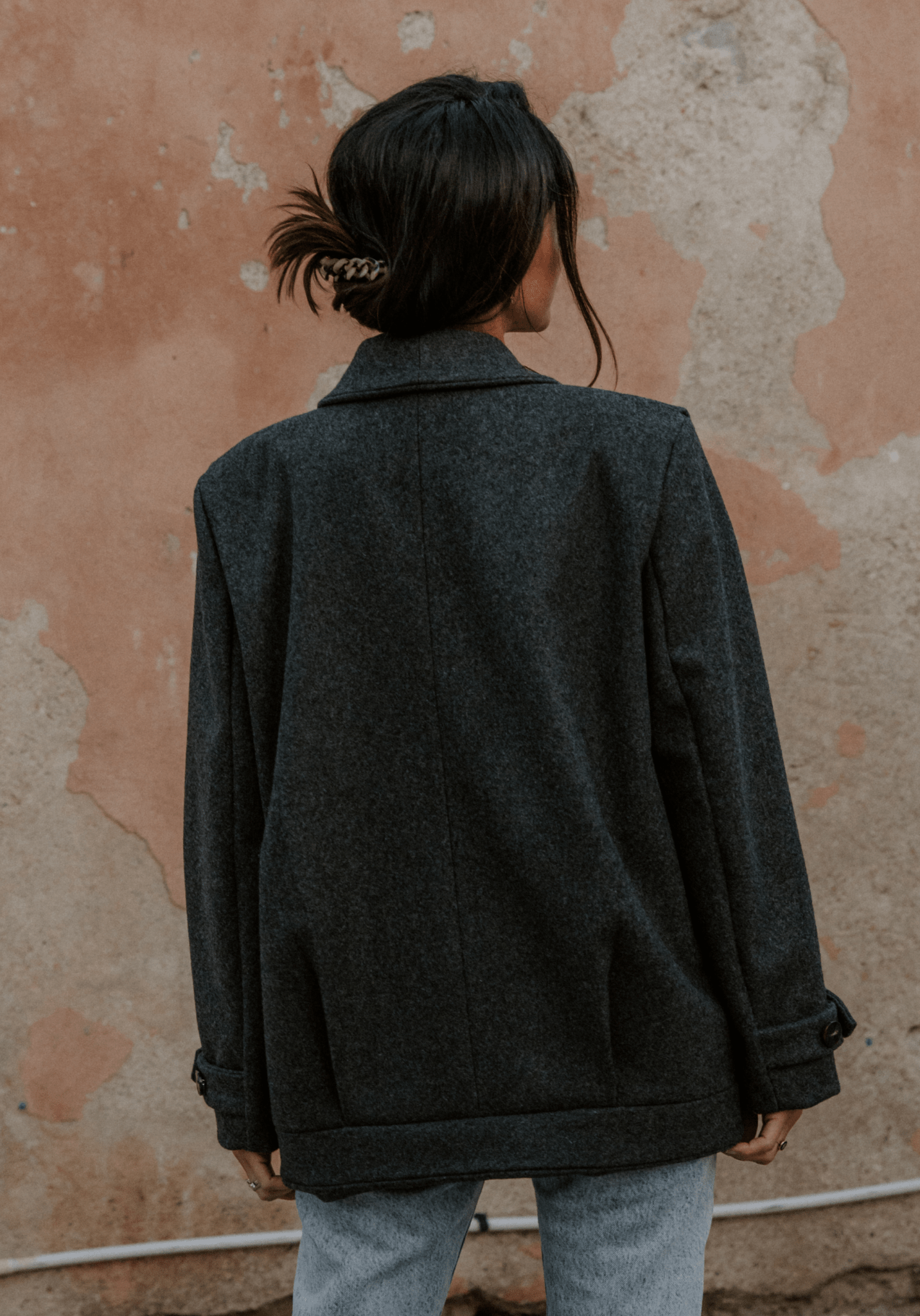
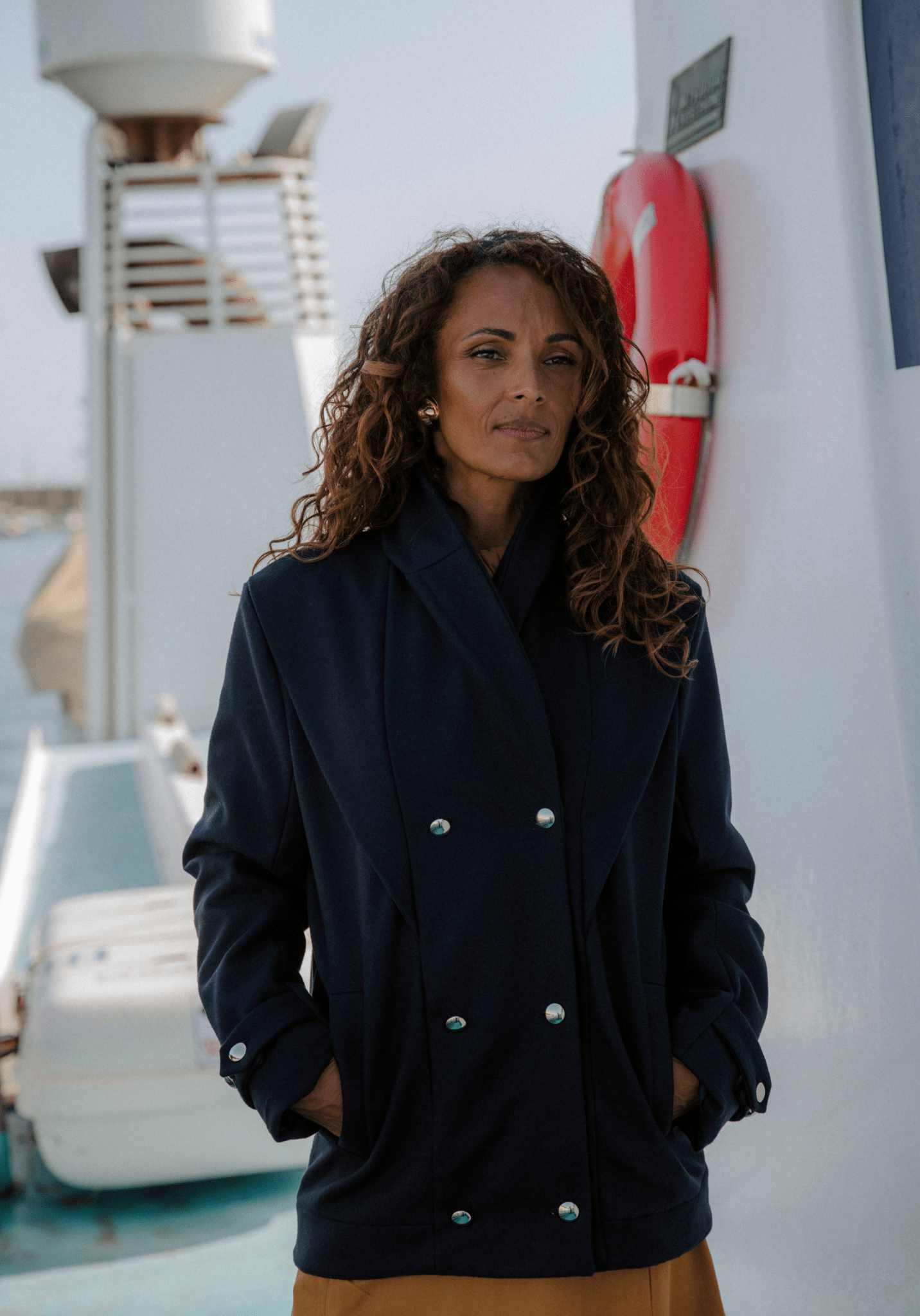
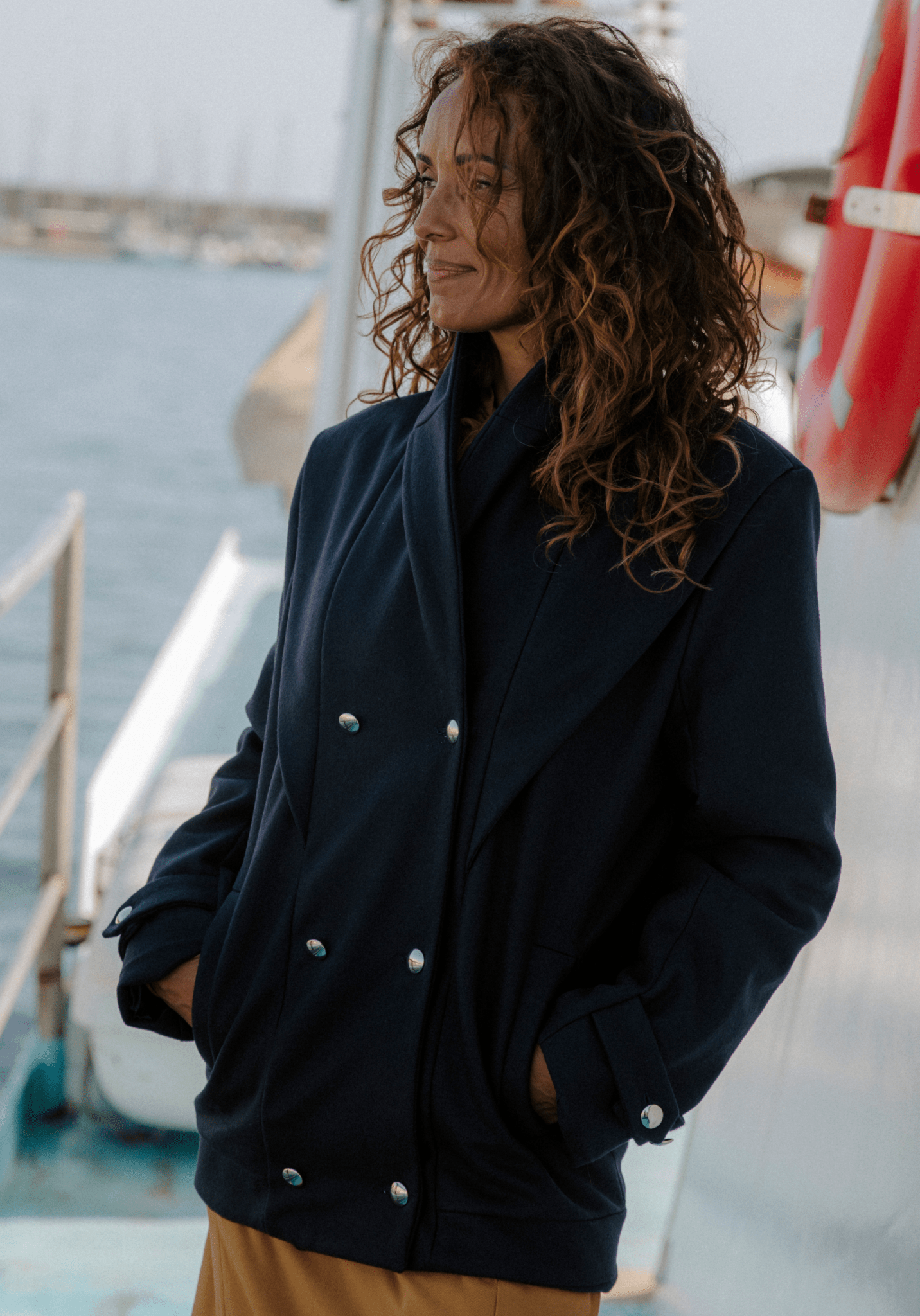
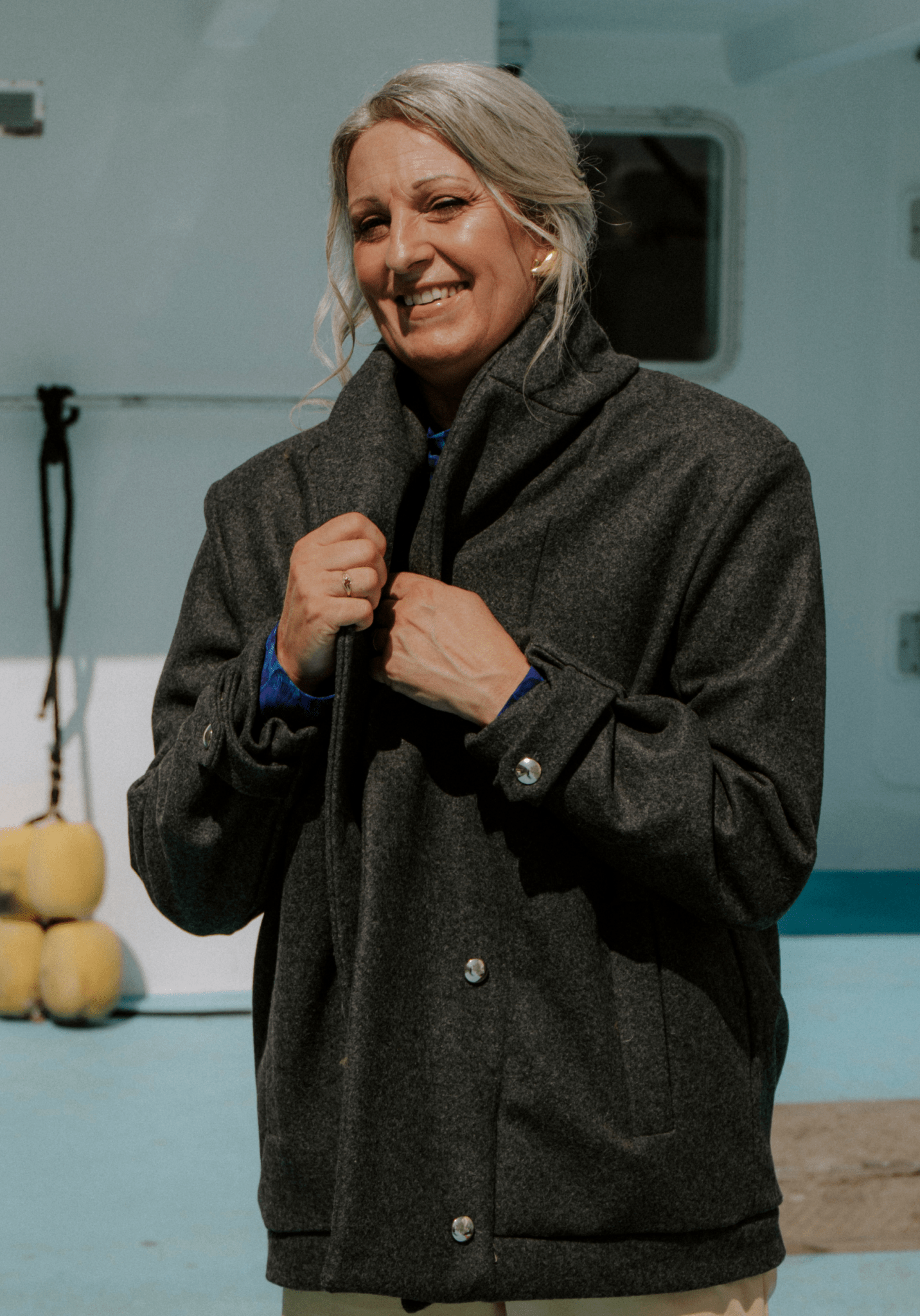
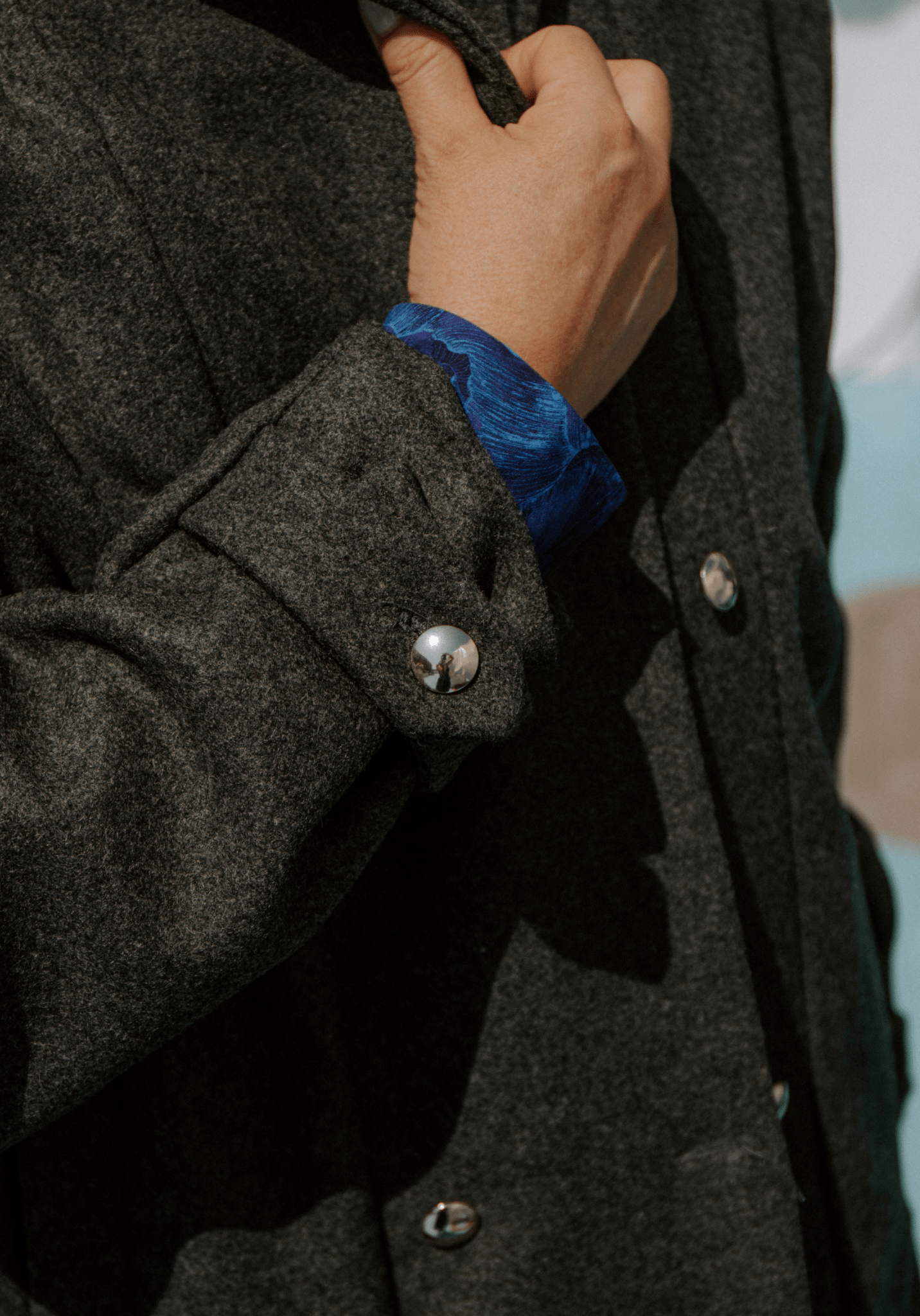
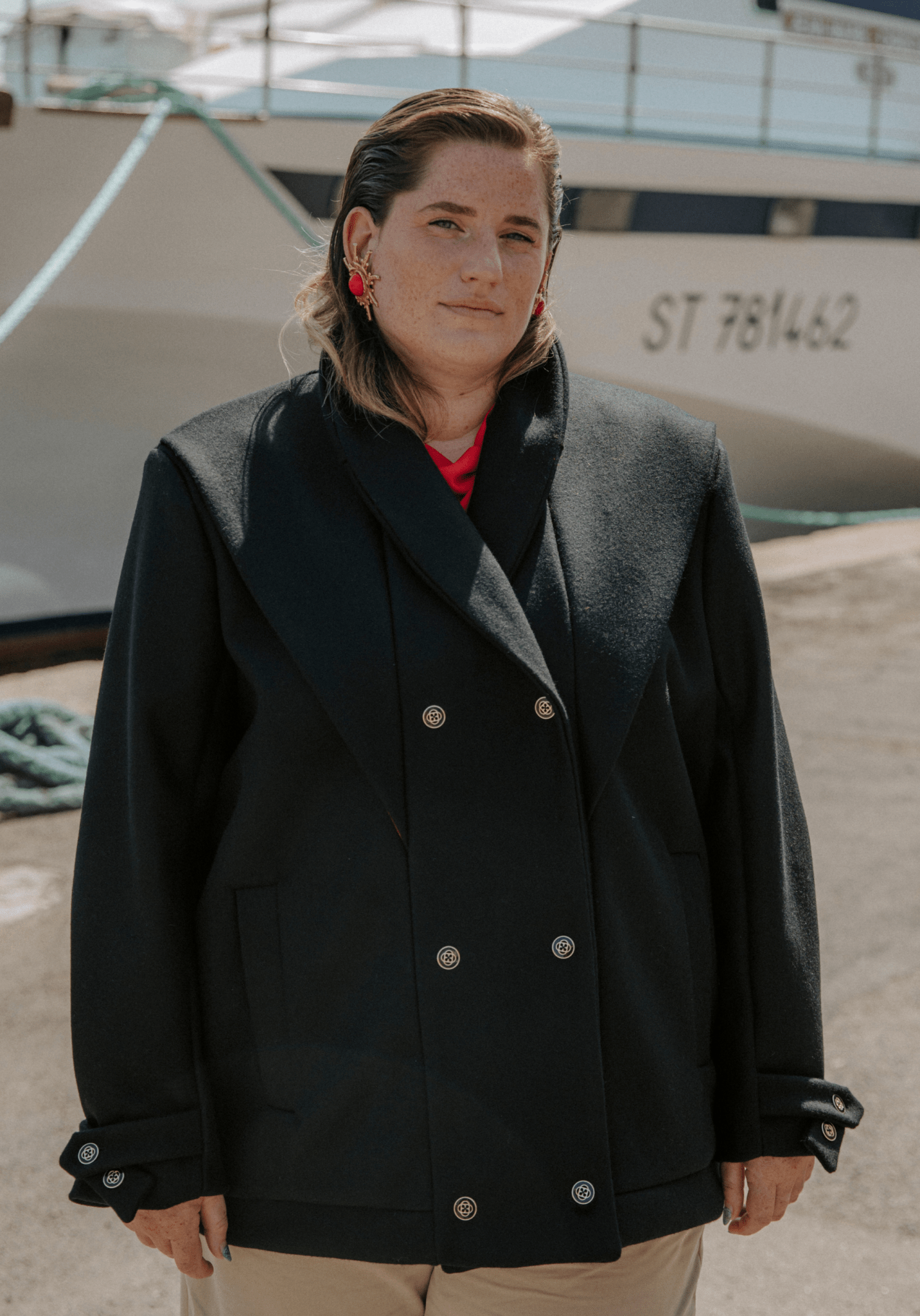
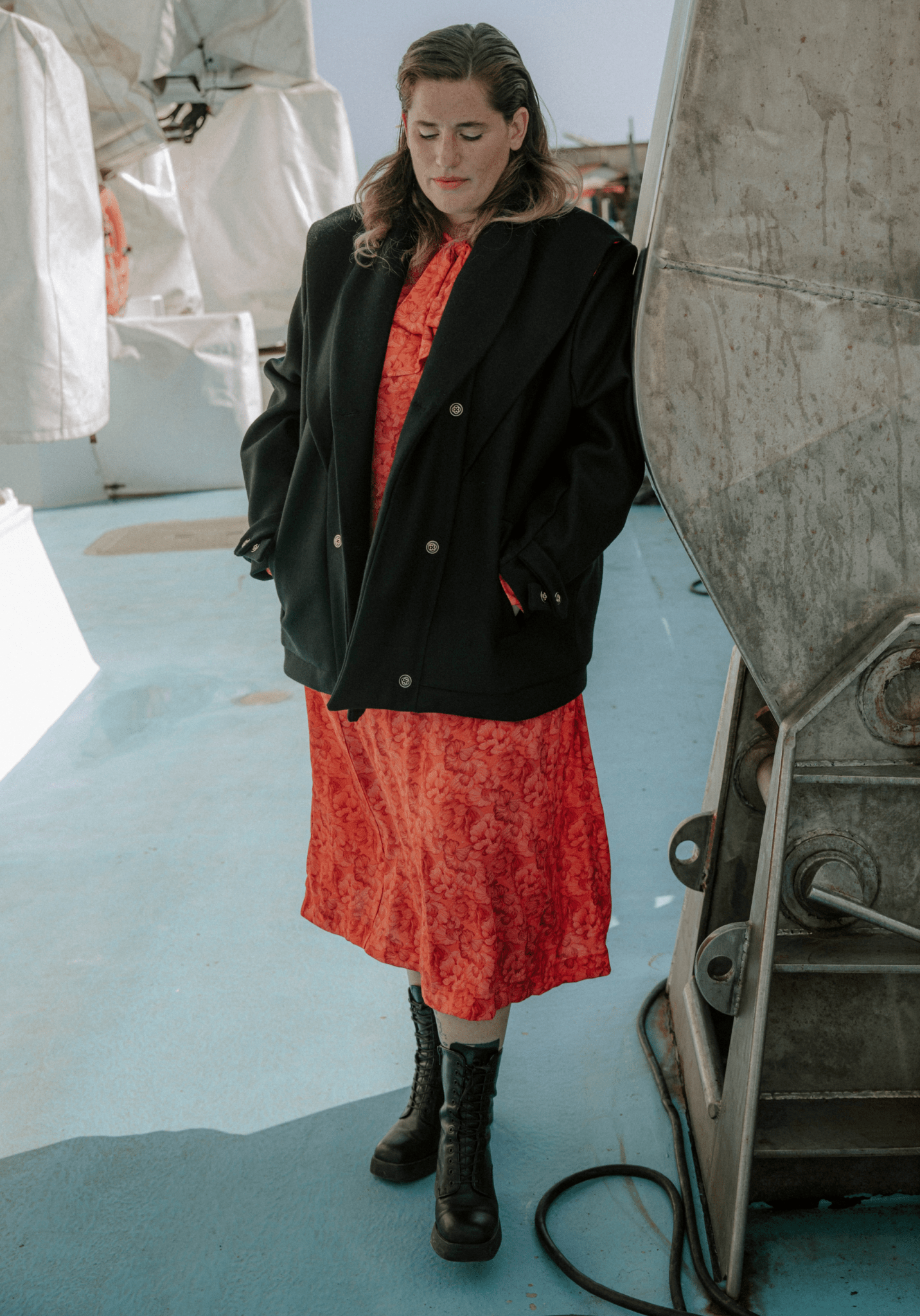
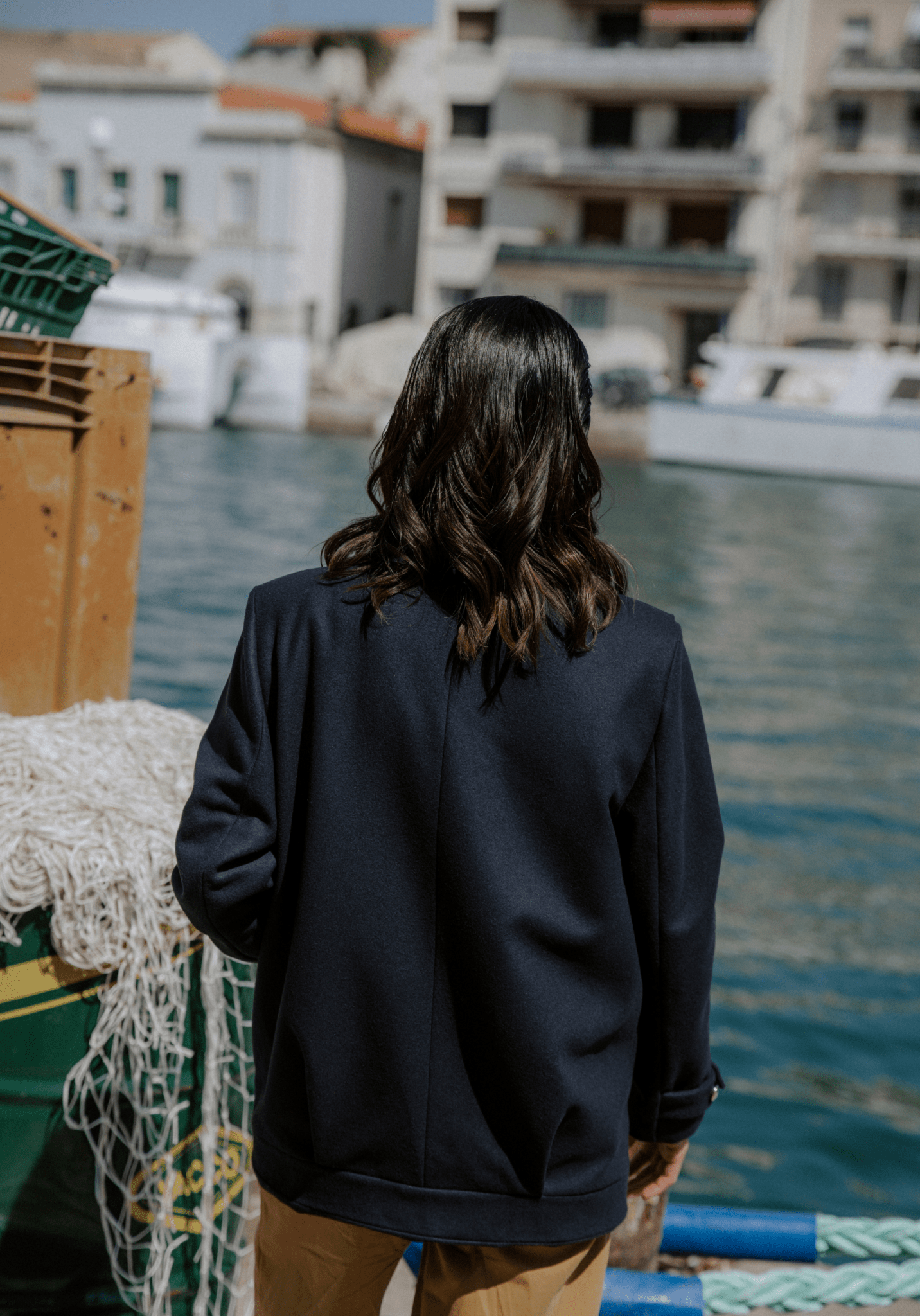
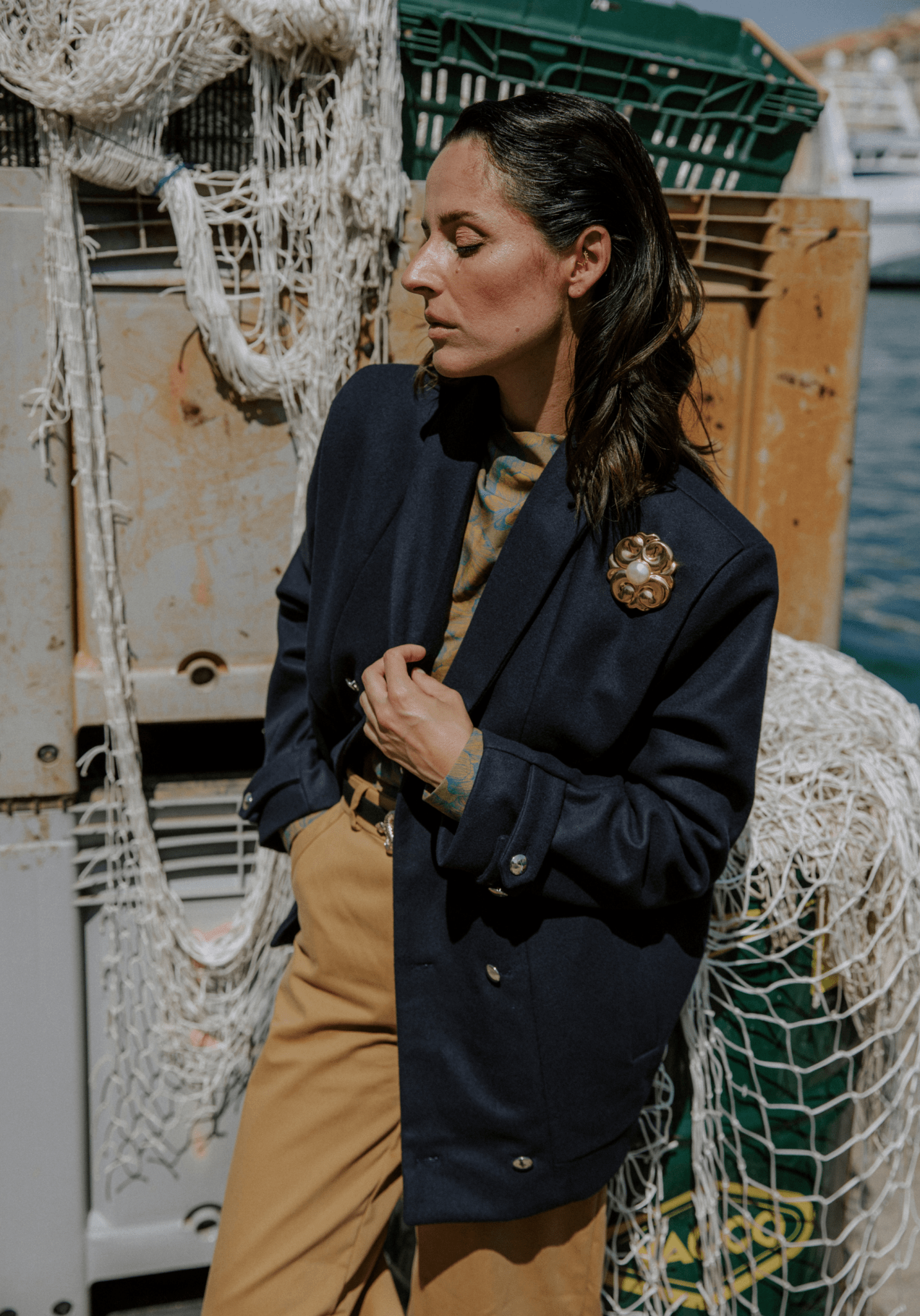
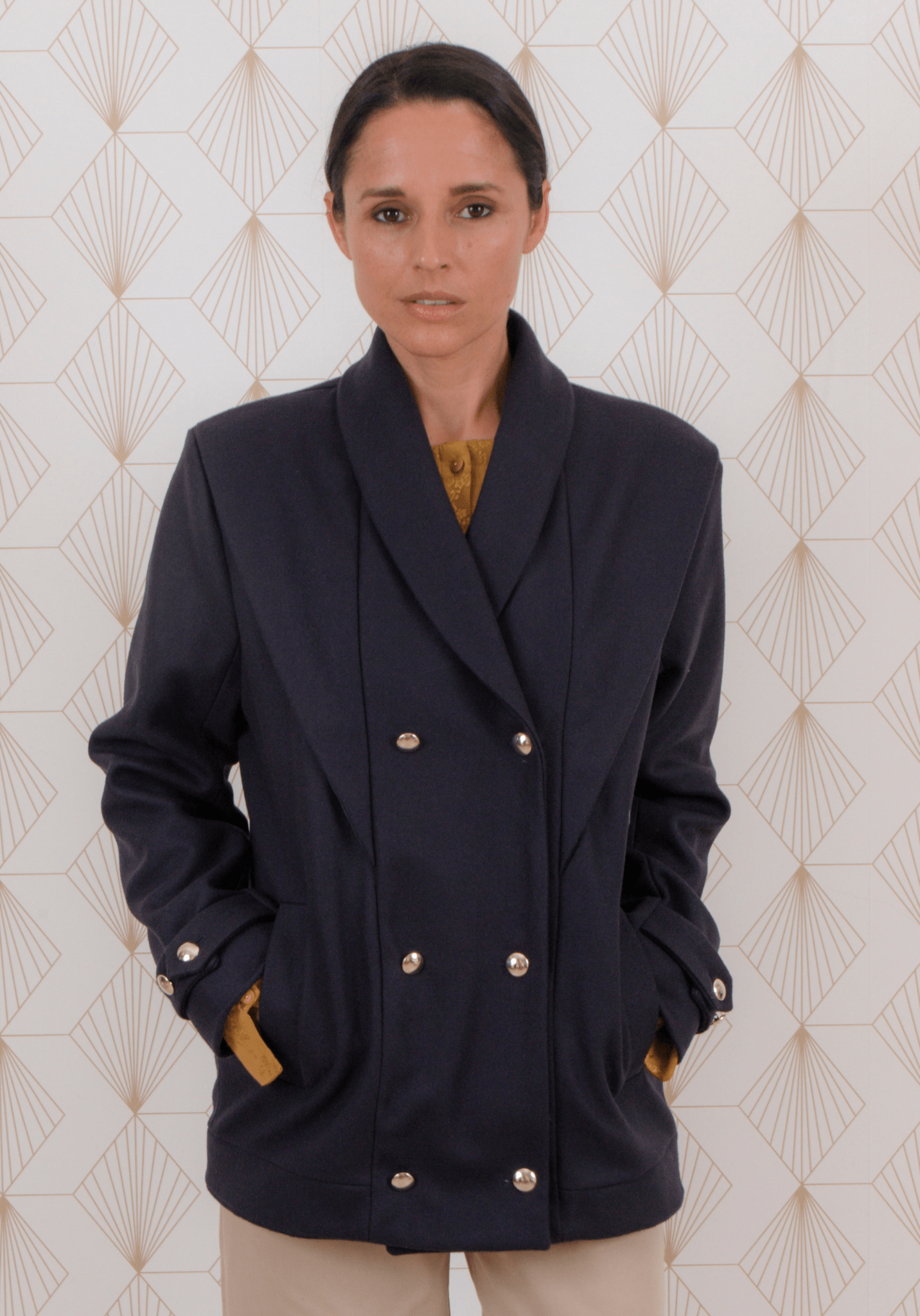
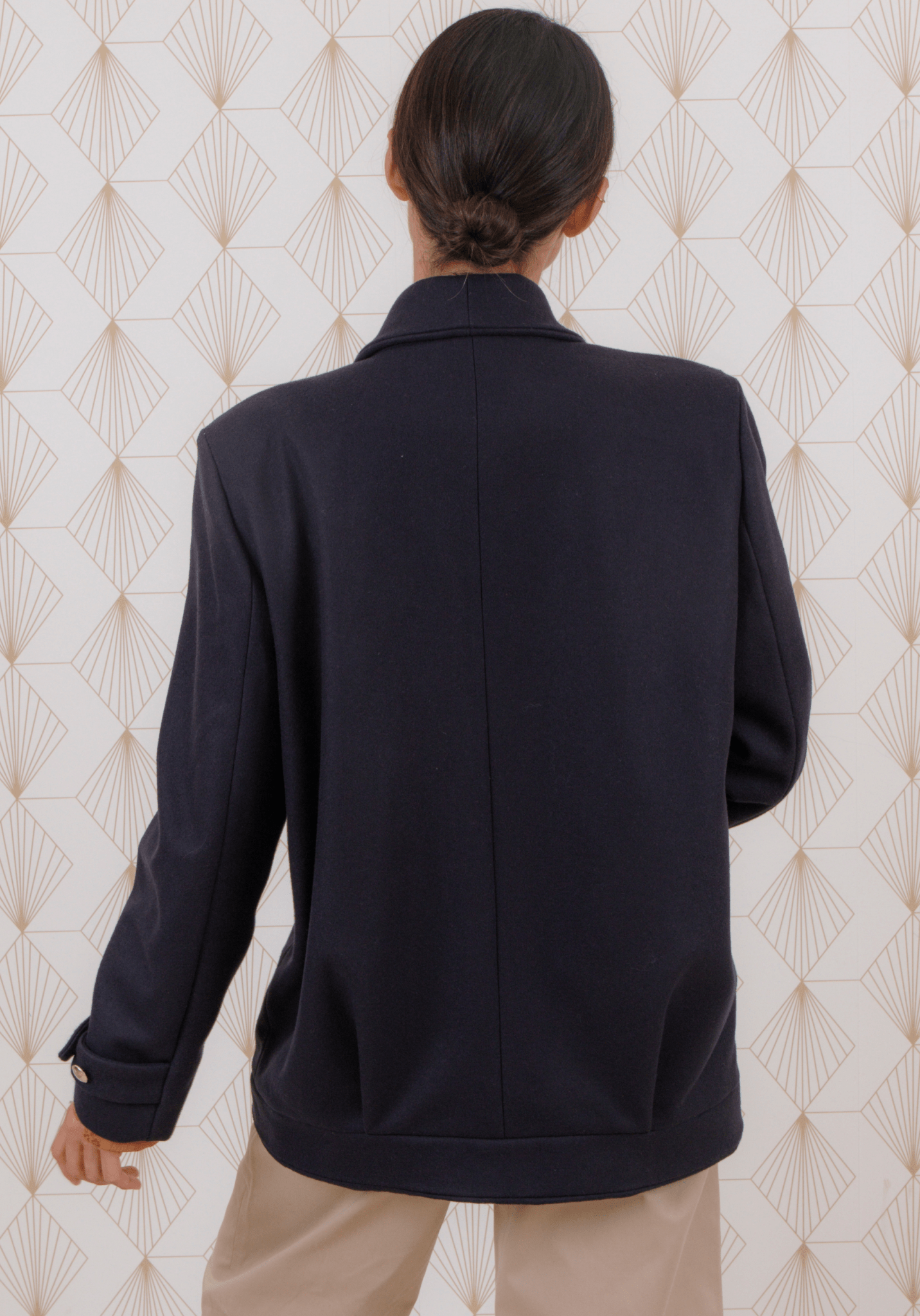
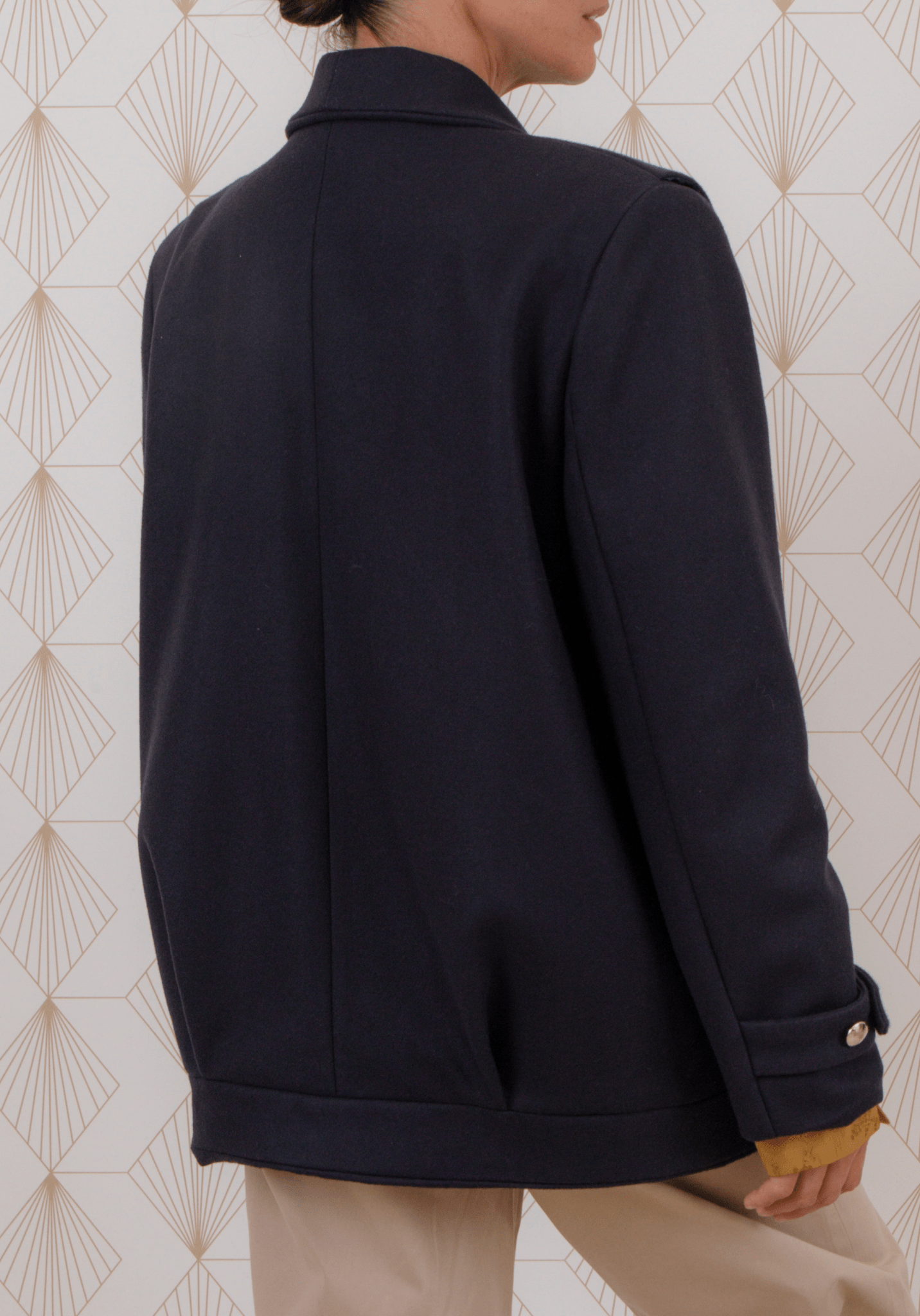
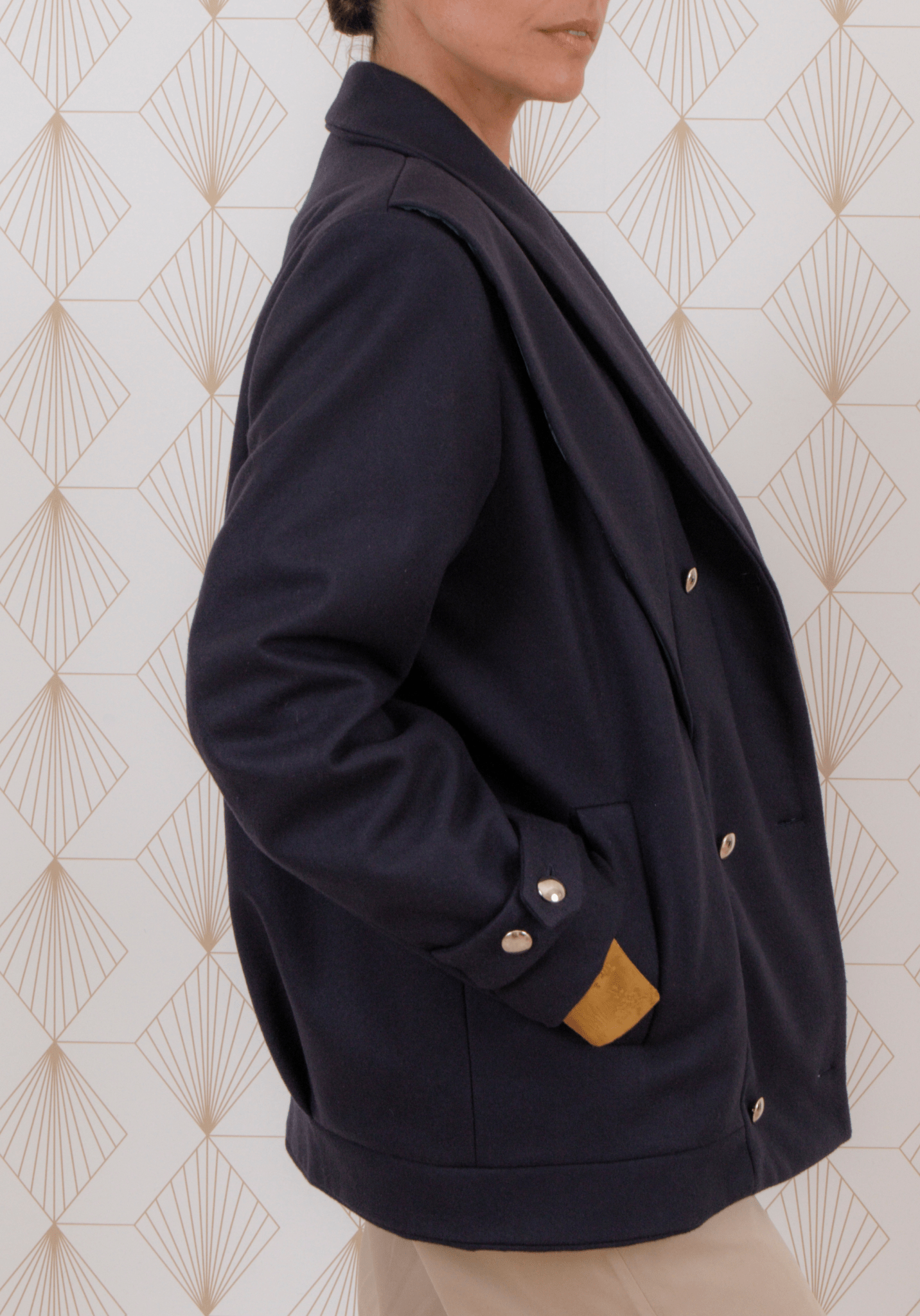
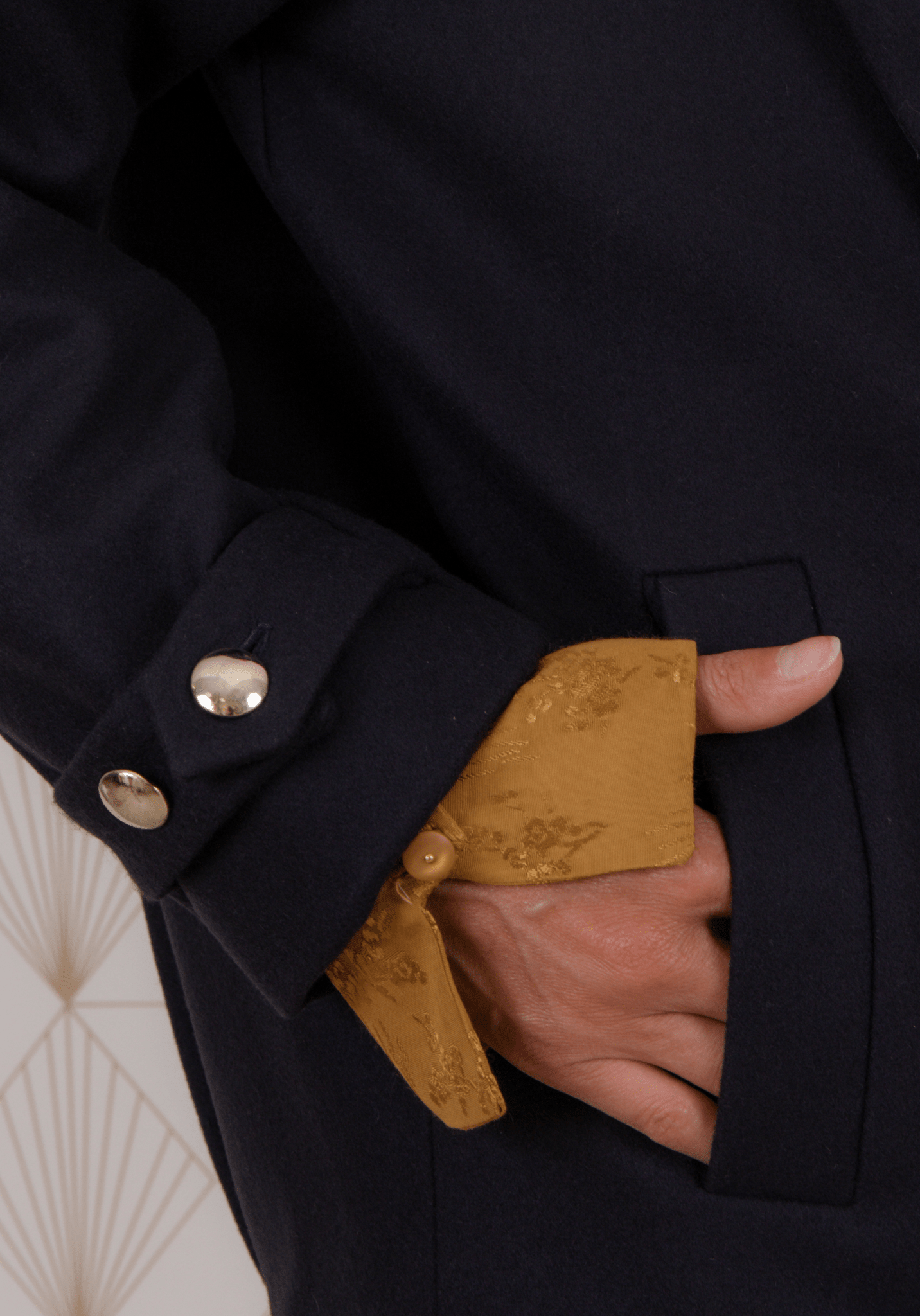
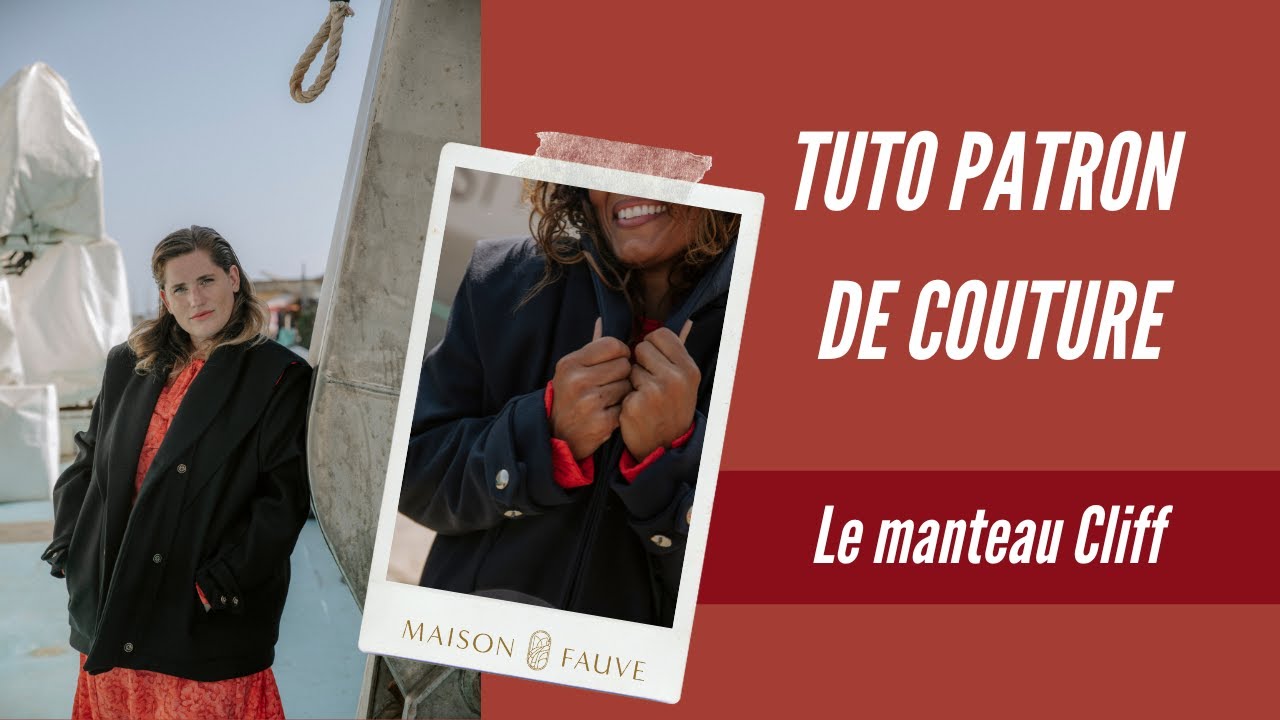
Despite the sea spray and strong wind, the CLIFF coat will keep you nice and warm. Designed as a modern take on the classic pea coat, it features a shawl collar and double-breasted closure, a large front flap reminiscent of smocks, welt pockets, buttoned tabs at the bottom of the sleeves, and a close-fitting cut, enhanced by pleats and a wide belt at the bottom.
Elegant and comfortable, fully lined, you can choose whether or not to add the flaps, and tighten or loosen the bottom of the sleeve.
Sewing level : intermediate , the technical points are the welt pocket, the lining/coat assembly, the shawl collar and the belt.
SEAM ALLOWANCES ARE INCLUDED (1 CM).
***ENGLISH TRANSLATED BOOKLET AVAILABLE WITH YOUR SEWING PATTERN***
Sizes
The CLIFF coat is available in sizes 34 to 52. It has a generous fit, allowing you to wear it over a winter sweater or even a jacket. If you are between sizes, we recommend choosing the smaller size.
Emilie wears Cliff in size 34, Marie-Sophie wear Cliff in size 36, Christine in size 40 and Vanina in size 50.
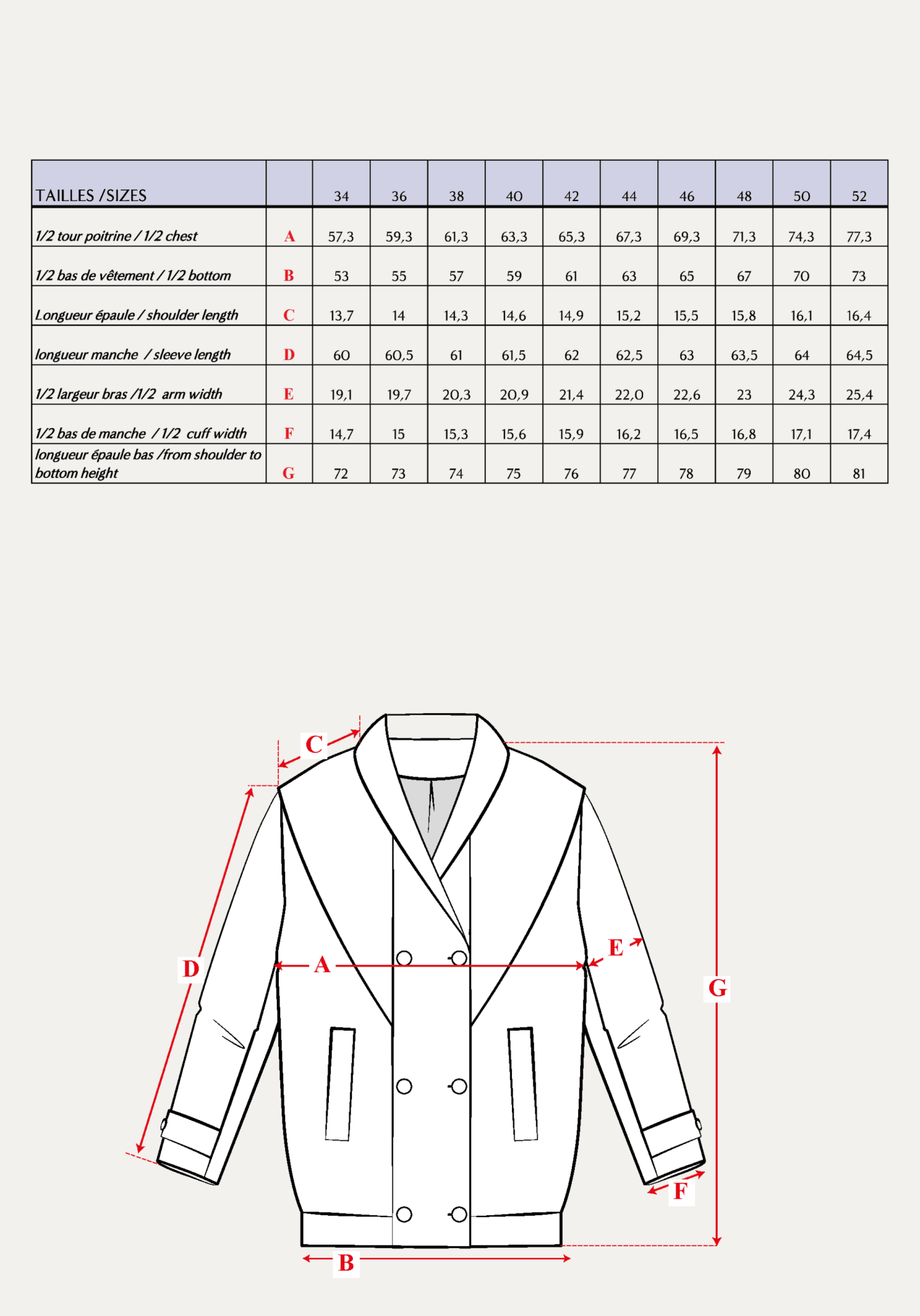
| Sizes | 34 | 36 | 38 | 40 | 42 | 44 | 46 | 48 | 50 | 52 |
| 1/2 chest measurement | 57.3 | 59.3 | 61.3 | 63.3 | 65.3 | 67.3 | 69.3 | 71.3 | 74.3 | 77.3 |
| 1/2 bottom garment / 1/2 bottom | 53 | 55 | 57 | 59 | 61 | 63 | 65 | 67 | 70 | 73 |
| Shoulder length | 13.7 | 14 | 14.3 | 14.6 | 14.9 | 15.2 | 15.5 | 15.8 | 16.1 | 16.4 |
| Sleeve length | 60 | 60.5 | 61 | 61.5 | 62 | 62.5 | 63 | 63.5 | 64 | 64.5 |
| 1/2 arm width / 1/2 arm width | 19.1 | 19.7 | 20.3 | 20.9 | 21.4 | 22 | 22.6 | 23 | 24.3 | 25.4 |
| 1/2 bottom of sleeve / 1/2 cuff width | 14.7 | 15 | 15.3 | 15.6 | 15.9 | 16.2 | 16.5 | 16.8 | 17.1 | 17.4 |
| Shoulder to bottom height | 72 | 73 | 74 | 75 | 76 | 77 | 78 | 79 | 80 | 81 |
Supplies
- 11 buttons between 15 and 30 mm
- a pair of shoulder pads
- 200 cm length of fusible interfacing.
We use Vlieseline G700 . Also, fuse the bottom of your sleeve pieces with 3 cm high strips of fusible interfacing to give the sleeve cuffs more structure.
Fabric with a width of 140 cm:
- Sizes 34-44: 220 cm
- 46 - 52: 260 cm
Lining :
- 34 - 44: 150 cm,
- 46 - 52: 190 cm
To sew a Cliff coat with piping inserts like the one shown, you will need 3m of gold piping .
Fabric
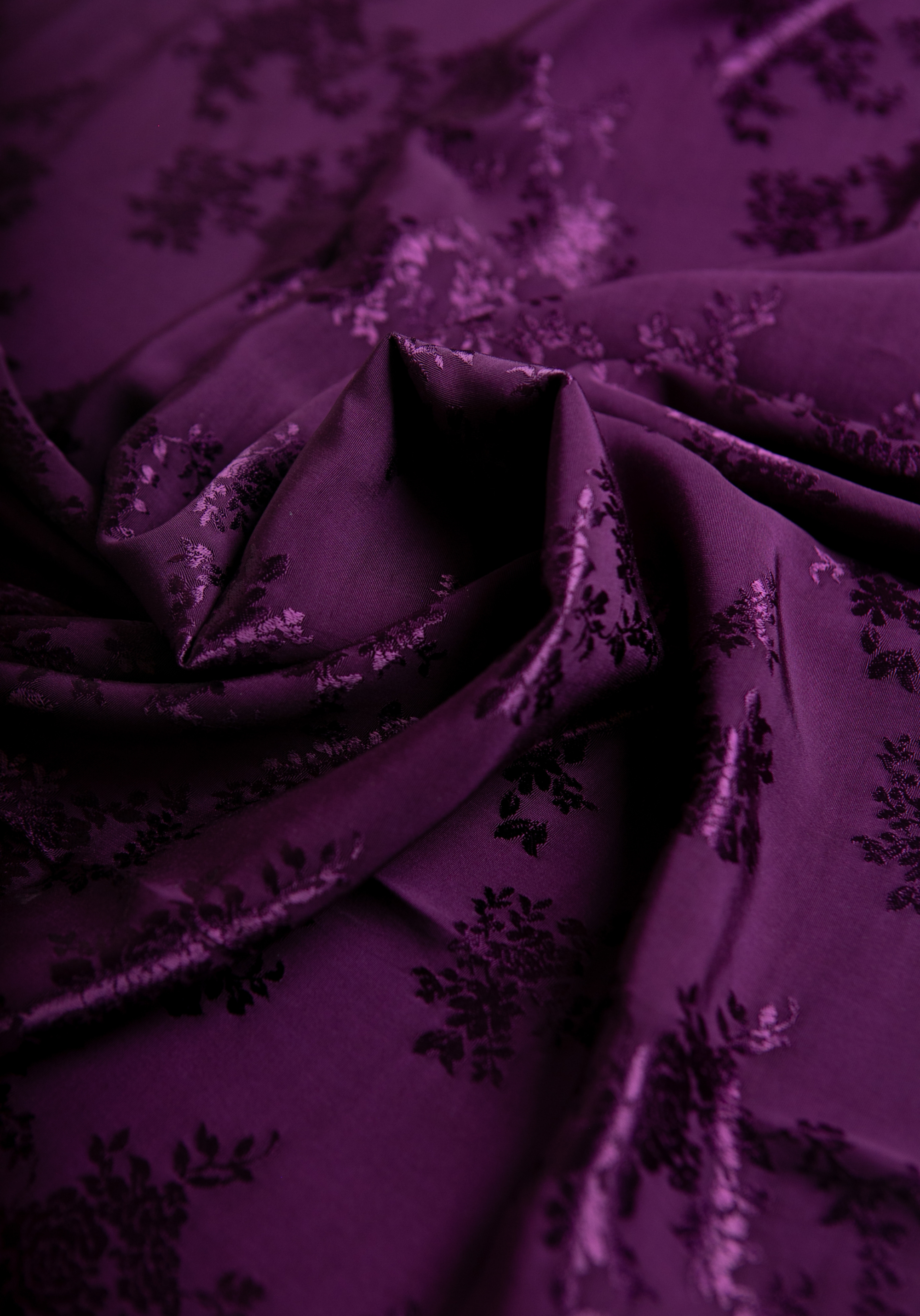
Only woven fabrics are used: a coat-type wool, a structured jacquard, tweed, heavy denim, or gabardine, weighing between 250 and 700 g/m² depending on the desired finish. For the lining, I recommend choosing a fabric specifically designed for linings, such as our 100% cupro lining, which is smooth and more breathable than polyester.
Tutorial
Feel free to check out the Cliff coat video tutorial to help you make the garment.
PDF Guide
Our PDF sewing patterns are now all available in A4, A3, A0, and US Letter formats, including frames for easy alignment, layers to help you choose your size, and a video projection option for paperless cutting! To learn more, click here ;)
Supply
Size Guide
Choose options
Video tutorial

FAST DELIVERY
Careful dispatch within 24/48 hours. Delivery within 2 to 5 days depending on the carrier

SECURE PAYMENTS
100% Secure Payment Services. SSL Encryption and HTTPS Protocol.

THE PLEASURE OF HANDMADE
Nothing beats making your own clothes, and we're here to help you every step of the way

VIDEO TUTORIALS
Step-by-step guides and video content to support you
