

Graffiti Arty, when art and fashion meet
At Maison Fauve , every fabric tells a story, and the Christmas 2024 capsule collection is no exception. Among the treasures of this collection, the Graffiti viscose crepe stands out for its boldness. Inspired by urban energy, this printed fabric illustrates how art and fashion intertwine.

Street art is THE movement that has been shaking up the contemporary scene for the last 10 years, but each era has seen the emergence of close collaborations between creators and pioneering or avant-garde artists.
Dresses like paintings
Designers have always maintained more or less deep relationships with the art world. Gabrielle Chanel rubbed shoulders with avant-garde artists, designing costumes for the theater, but some designers go even further in their affinities with the works, and clothing becomes a reflection of the artists' work.
Italian designer Elsa Schiaparelli collaborated with the Surrealists from the 1930s onward, creating a fashion inspired by the Parisian avant-garde artists of the 1920s and 30s. Salvador Dalí, Jean Cocteau, and Man Ray were among the many artists who both inspired and drew upon Schiaparelli's creative energy. Icons emerged from these exchanges between the designer and her artist friends, such as the scandalous and suggestive Lobster-print dress worn by Wallis Simpson, based on a work by Dalí, or the incredible pink Shocking cape embroidered with a sun king. Accessories were equally remarkable: a telephone dial powder compact, also the result of a collaboration with Salvador Dalí, and the "Snuf" perfume, whose bottle is a deliberate nod to René Magritte's pipe.
In 1965, Yves Saint Laurent paid homage to the painter Mondrian by creating dresses reminiscent of the artist's abstract canvases and use of color. The simplicity of the cut of these cocktail dresses, the geometric lines that embellished them, and the boldness of the colors brought a breath of fresh air to his collection. These dresses definitively altered the relationship between fashion and art, transforming a painting into a living work of art. Saint Laurent appropriated Mondrian's work, transforming a two-dimensional painting into a garment that embodied the power of the artwork.
This fusion between art and fashion shows no signs of slowing down, and collaborations with artists result in capsule collections that are as sought-after as they are surprising.
Louis Vuitton is a prime example, given its numerous partnerships with major contemporary artists. In 2003, artist Takashi Murakami was invited to reinterpret the house's famous monogrammed logo in vibrant colors. Murakami brought his playful perspective and characteristic humor to their products, challenging the established codes of luxury.
The latest collaboration, with Japanese artist Yayoi Kusama, has resulted in gigantic installations and a profusion of polka dots, injecting the artist's gentle madness and striking creative universe into Vuitton products and stores.
When Street Art and Fashion meet...
Street art, an inherently ephemeral and rebellious artistic movement, has gradually permeated the collective imagination, spilling beyond the walls of major cities to infuse the world of fashion. Graffiti, stencils, and collages, once considered acts of vandalism and an illegal and subversive expression of underground culture , are now an inexhaustible source of inspiration for fashion designers. This symbiosis between urban art and clothing trends raises the question of the reciprocal influence between these two creative spheres. While street art challenges and conveys powerful messages, fashion appropriates this energy and incorporates it into its collections.
In 2009, Marc Jacobs, then artistic director of the house, paid a strong tribute to the artist Stephen Sprouse by multiplying on clothing and accessories motifs in colours similar to the fluorescent graffiti and the punk and pop culture influences of Stephen Sprouse.
The desire to infuse this subversive aura and convey a message beyond clothing This technique is directly featured in some fashion shows. A pioneer in this area, Alexander McQueen initiated a performance that has become legendary in the history of fashion. At the close of the Spring/Summer 1998 ready-to-wear show, model Shalom Harlow appeared wearing a simple white strapless dress with a spectacular volume. Standing on a rotating circular platform positioned between two robotic arms, she began to turn slowly. The robotic arms activated before spraying her dress with black and acid yellow paint. Several interpretations exist regarding this extraordinary finale. The designer explained that his inspiration came from the 1994 retrospective dedicated to the installation artist Rebecca Horn, particularly her 1991 work entitled High Moon. Horn's creations primarily explore the theme of the extension, reshaping, and transformation of the human body.
A print with urban inspirations: Graffiti reinvented

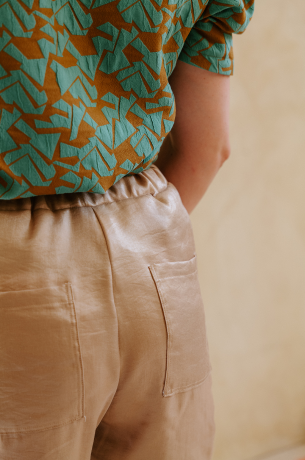
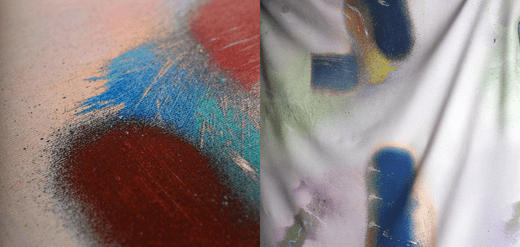
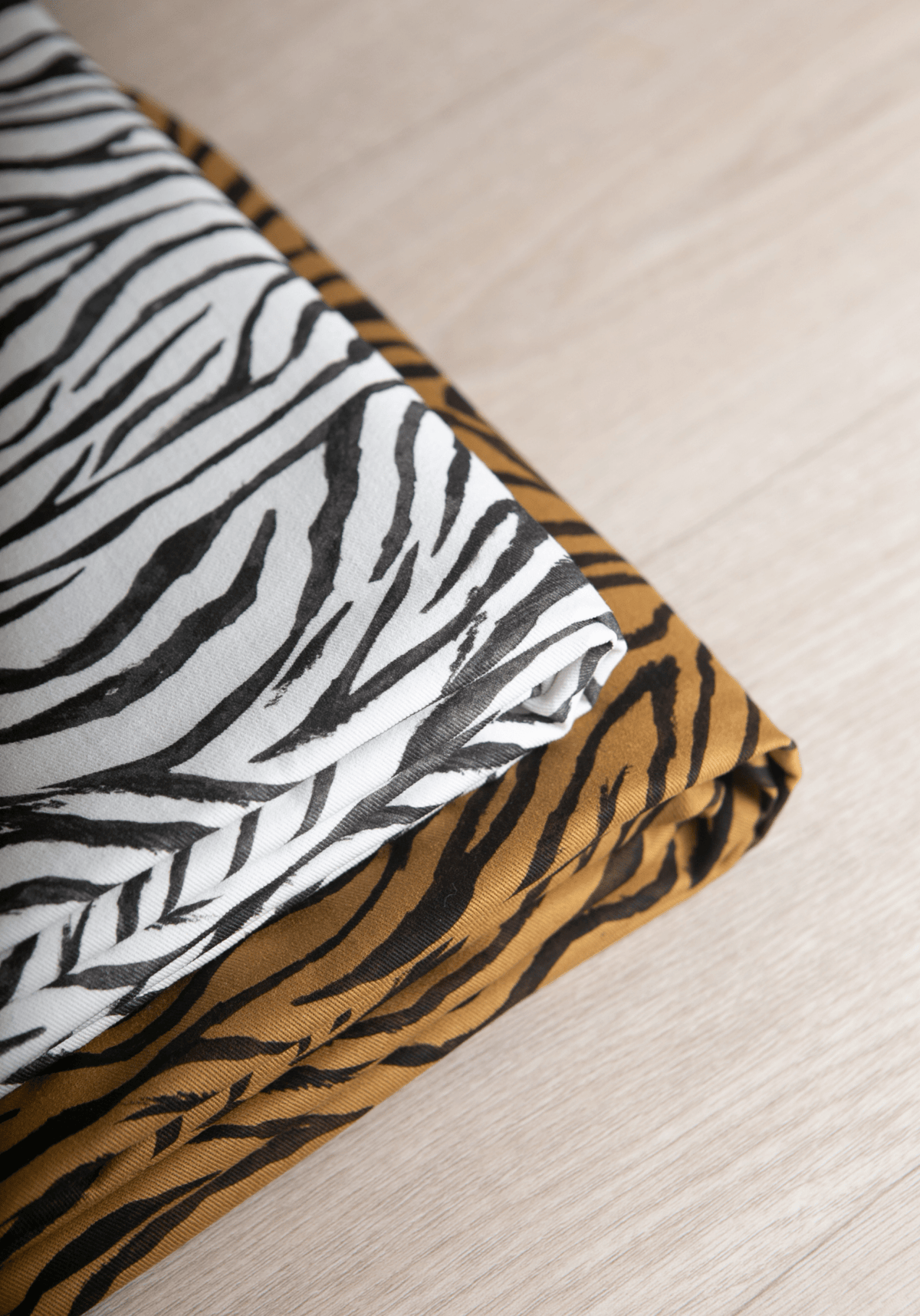
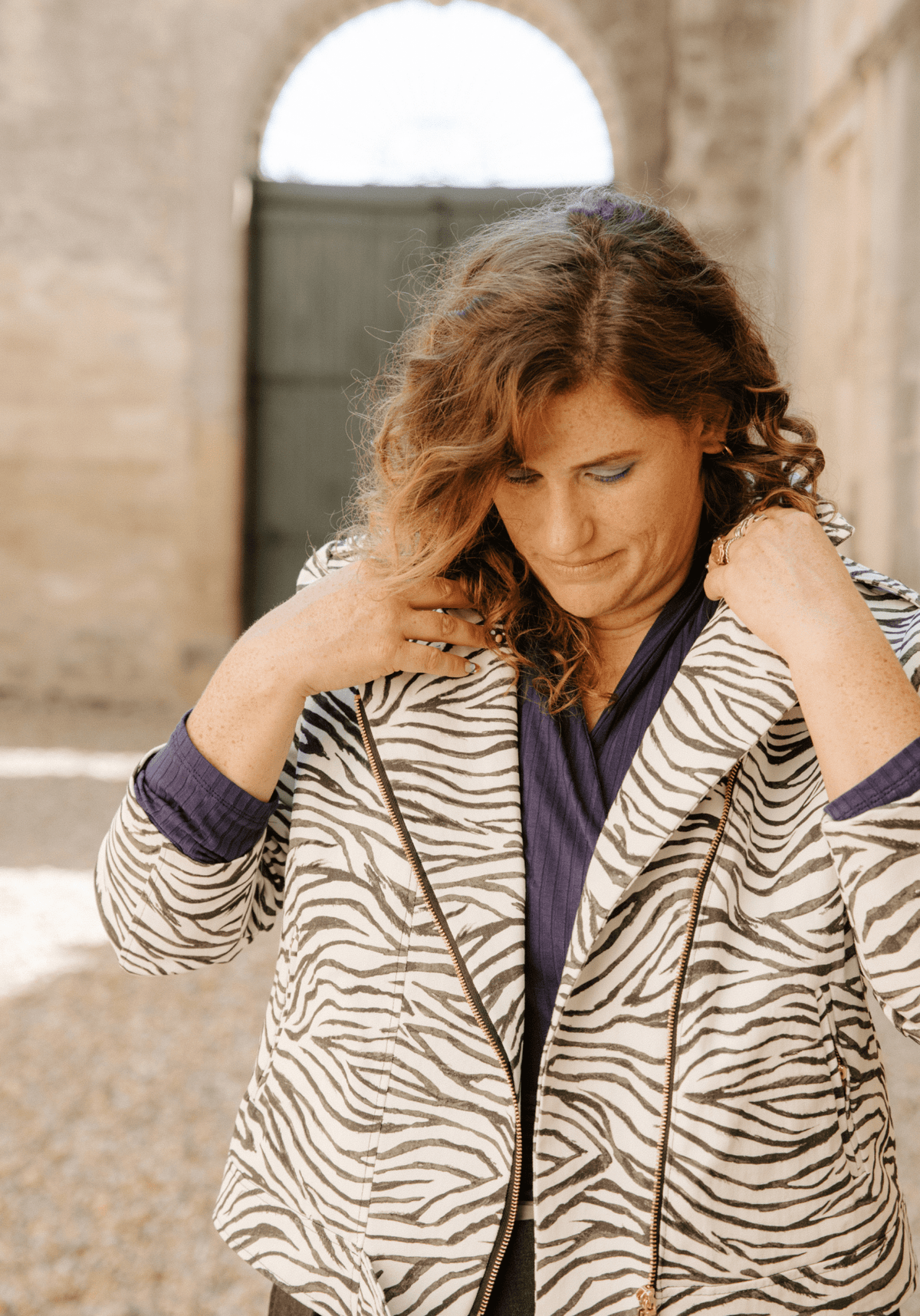
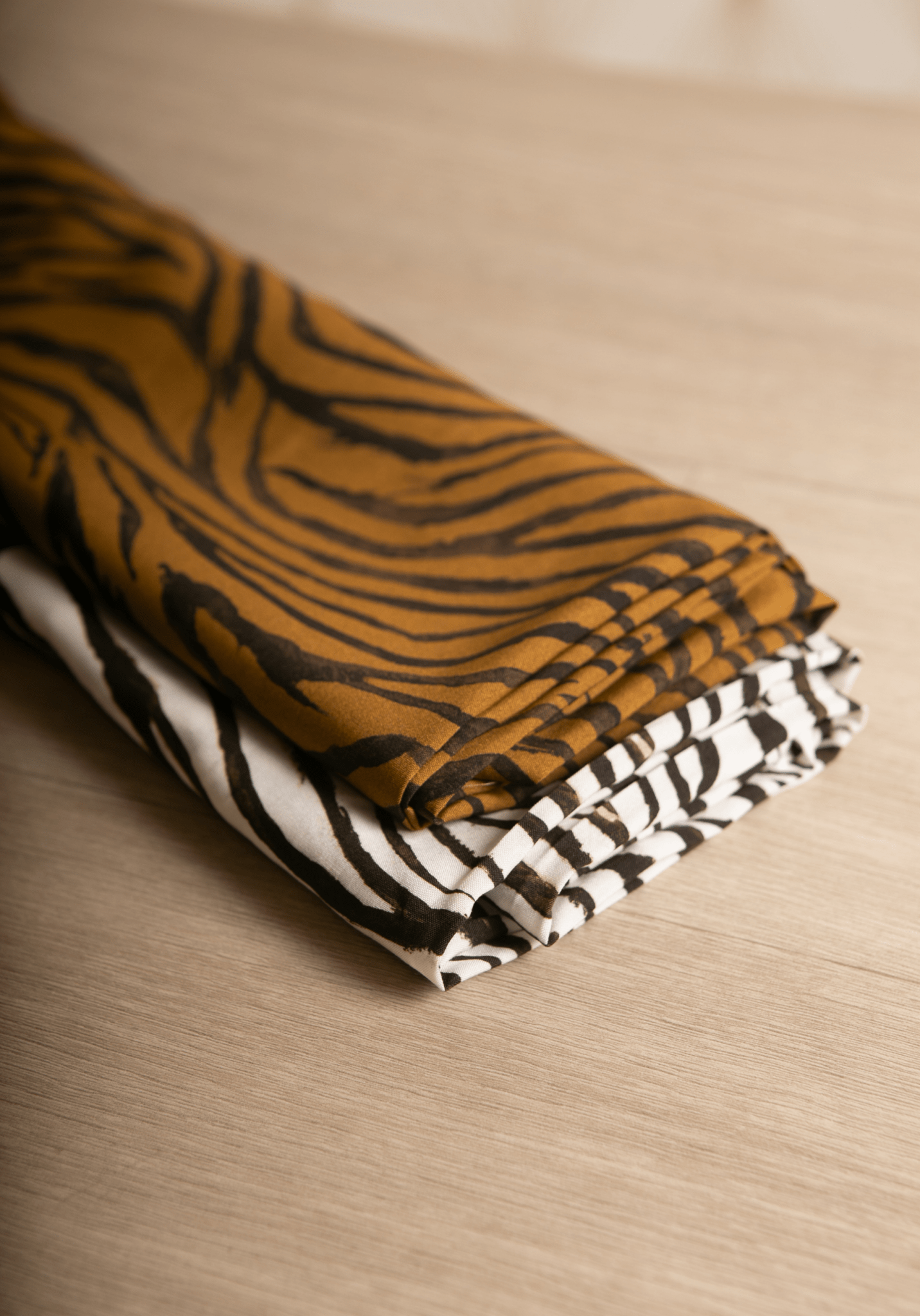
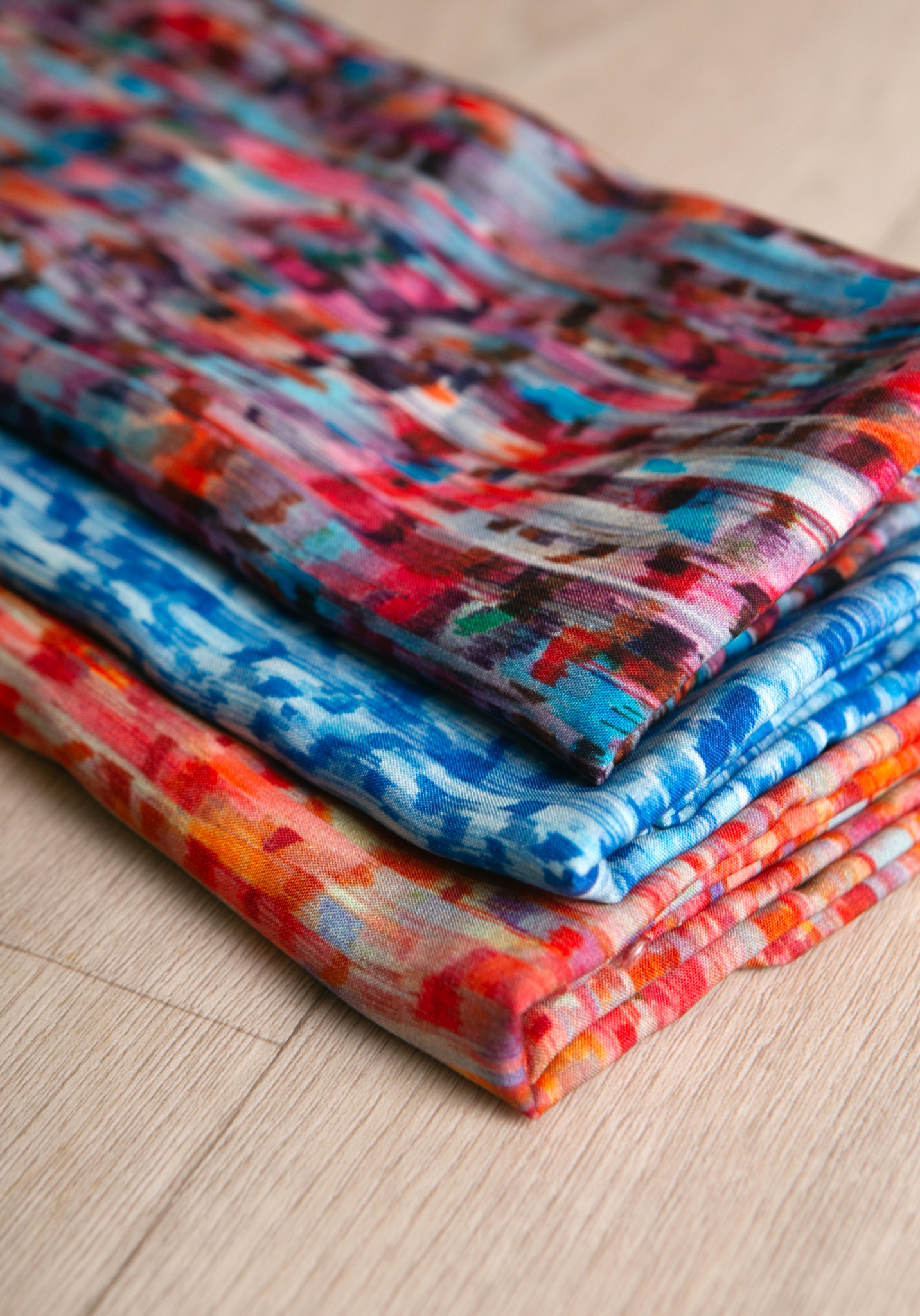
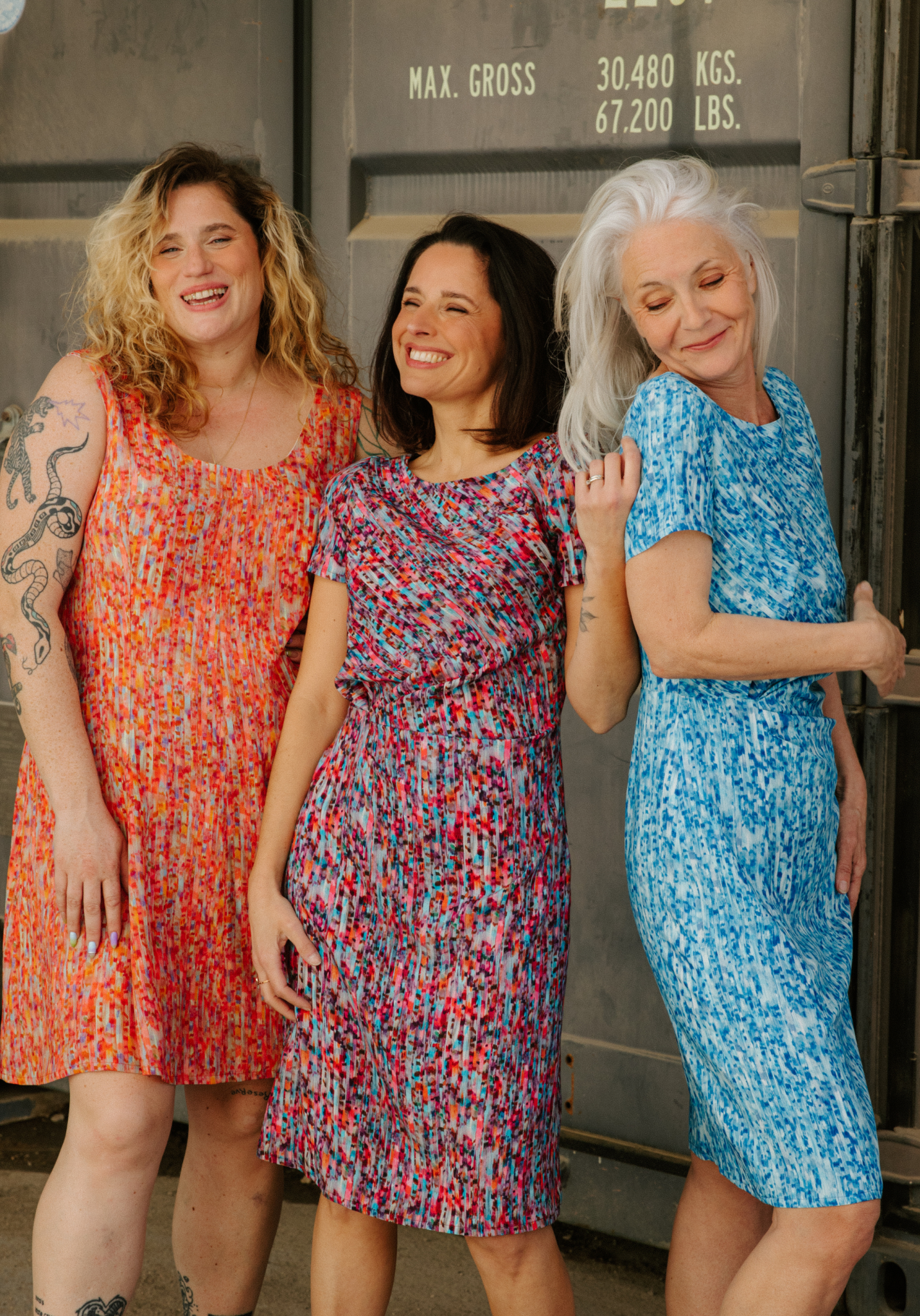
The Graffiti pattern offered by Maison Fauve plays on subtlety and contrasts. Created by the Barcelona street artist Javier Bullido's print was initially created using spray paint and brushes before being digitized. The textural effects are striking. Designed in a palette of two colors , this viscose crepe combines a vibrant graphic line with a fluid and delicate texture. Every detail of this print seems to tell a story, reminiscent of both lively street murals and abstract artworks.
This fabric was designed for lovers of clothes with character, while offering lightness and a perfect drape to enhance silhouettes.
Viscose Crepe: A precious material
Graffiti viscose crepe is appealing thanks to its lightweight texture and slightly grainy feel, typical of high-quality crepes. Its exceptional fluidity makes it the perfect partner for Maison Fauve patterns. This fabric is both pleasant to work with and to wear: it moves with you while offering a flawless drape. Discover the fabric
The fabric pattern has a specific meaning, but the abstract nature of the print allows you to choose whether to position it facing up or down. We offer a selection of sewing threads and buttons that will complement the rich color palette of each color.

Technical specifications :
-
Composition : 100% viscose.
-
Width : 140 cm.
-
Weight : 140 g/m². Ideal for airy or structured creations, while remaining comfortable.
-
Origin : France
Recommended Patterns: Elevate Graffiti
To showcase this unique print, I recommend clothing patterns with clean lines. The design is bold, and it's beautiful to let it shine through on cuts that don't disrupt the pattern. Here are a few ideas to inspire you and help you create unique pieces:
1. The Peninsula Dress (and the blouse hack)


With its interplay of cutouts and its modern yet timeless appeal, the Peninsula dress is perfect for showcasing the dynamism of the Graffiti print. Transform it into a blouse for a more casual yet still sophisticated look. See the pattern
2. The Storm Blouse


The generous cut of this blouse highlights the fluidity of the viscose crepe. Its bohemian-chic style contrasts beautifully with the graphic lines of the print, creating a sophisticated yet relaxed look. See the pattern
3. The Mia Dress


With its delicate pleats and fitted cut, the Mia dress is an ideal choice for those seeking to combine elegance and comfort. The Graffiti viscose crepe fabric is perfectly showcased here, highlighting the richness of its print. See the pattern
4. The SoHo Dress


A pattern that beautifully showcases prints with its clean lines and minimalist style. The SoHo dress will give you a look that's both modern and easy to wear. See the pattern
Why choose Graffiti Viscose Crepe?
-
An artistic print : The Graffiti pattern is both very original, but also easy to combine with your other clothes, thanks to its range of colors.
-
A pleasant material : Viscose offers an unparalleled feeling of softness and comfort.
-
A pattern that will follow your desires : This fabric is suitable for everyday clothing as well as party outfits, fitting perfectly into the spirit of the Christmas capsule collection.
Sewing Tips and Care
To get the most out of your Graffiti viscose crepe , here are a few sewing tips:
-
Use a Microtex needle specifically designed for delicate fabrics or silk.
-
Opt for delicate finishes, such as a rolled hem, to highlight the fluidity of the fabric.
-
Wash at 30°C on a delicate cycle, preferably inside out, with a mild detergent. Use the delicate spin cycle (600 to 800 rpm).
-
Wash your fabric piece before sewing your garment.
-
No tumble dryer.
-
Medium ironing (2 points, i.e., 150 degrees maximum)
Conclusion: An inspiring Christmas capsule
With the Graffiti viscose crepe , I wanted to breathe something unique and singular into the Maison Fauve universe. Your future creations in this print promise to become a centerpiece of your designs, whether they be spectacular dresses or light blouses.
Will you be tempted by the little extravagance of the Christmas capsule?













Leave a comment
This site is protected by hCaptcha and the hCaptcha Privacy Policy and Terms of Service apply.